Navigating Belonging in our Homelands
Imagine going back home, a place you tell everyone about when they ask you where you’re from, and being addressed as a foreigner. Not just because you haven’t met every person in town, but because locals don’t register you as one of them.
Interwoven people have many homelands - places where we’ve grown up in, visited, or have only heard stories of but are inextricably linked to our ancestry. The relationships we have to these places can be nuanced. Going “home” can mean feeling the warmth and familiarity of cultural quirks, slang, and our favorite foods. It can also mean taking a beat when we don’t catch the latest pop culture reference, navigate language barriers, or interact with people who don’t see us as a part of that culture.
Traveling back to a homeland that we have through cultural or ancestral connections can unearth many questions about our identities and what it means to belong to a place. Here, you’ll find the stories of two interwoven people and how they have navigated mixed identity through recent trips back to their homelands:
Julie, a multiracial woman (Pakistani, Filipino, Irish/English) exploring belonging between two countries for the first time
Amresh, a third culture kid (Malaysia, UK, US) navigating cultural friction across continents as a new parent
Permission to participate
“This is not a vacation. This is me showing you where I came from.”
Julie’s mom set very clear intentions about the purpose of their first family trip to Pakistan. It was her first visit back in over twenty years, and it was incredibly important to her that her kids got to experience where she was from.
Dashing between museums, spice markets, family reunions, and rickshaw rides around Karachi, Julie and her family immersed in their mother’s homeland for the first time together. They visited her grandfather’s grave, her mother’s childhood home that was reduced to rubble, and watched their mother process the loss of a home that had changed so much in two decades. The trip took on a dual meaning: an educational adventure filled with moments of joy and connection, alongside the heaviness of grief and reflection on what a future relationship to Pakistan would look like for Julie.
In smaller moments of the trip, Julie’s sense of self as a mixed Pakistani woman was put to the test in many ways. She had no shortage of comments about her fair complexion, interactions that made her realize how much insecurity she carried about being mixed, and how much she had come to associate belonging with looking the part. As a woman moving through a place with political and safety concerns, there were many activities that at times, Julie found herself observing the culture through a window, literally and figuratively. Despite not looking the way people expected a Pakistani person to look, Julie was experiencing connection to her culture through family, her mother’s memories, observation, and food. She began to recognize that belonging didn’t have to be something other people could immediately see.
“I realized that a lot of my connection to Pakistani culture was because of my mom. When I heard her say things like 'I don't even know if I want to come back here anymore,' that really brought up this question of what my connection is to Pakistan. If my mom doesn't want to come back here, do I want to come back here?”
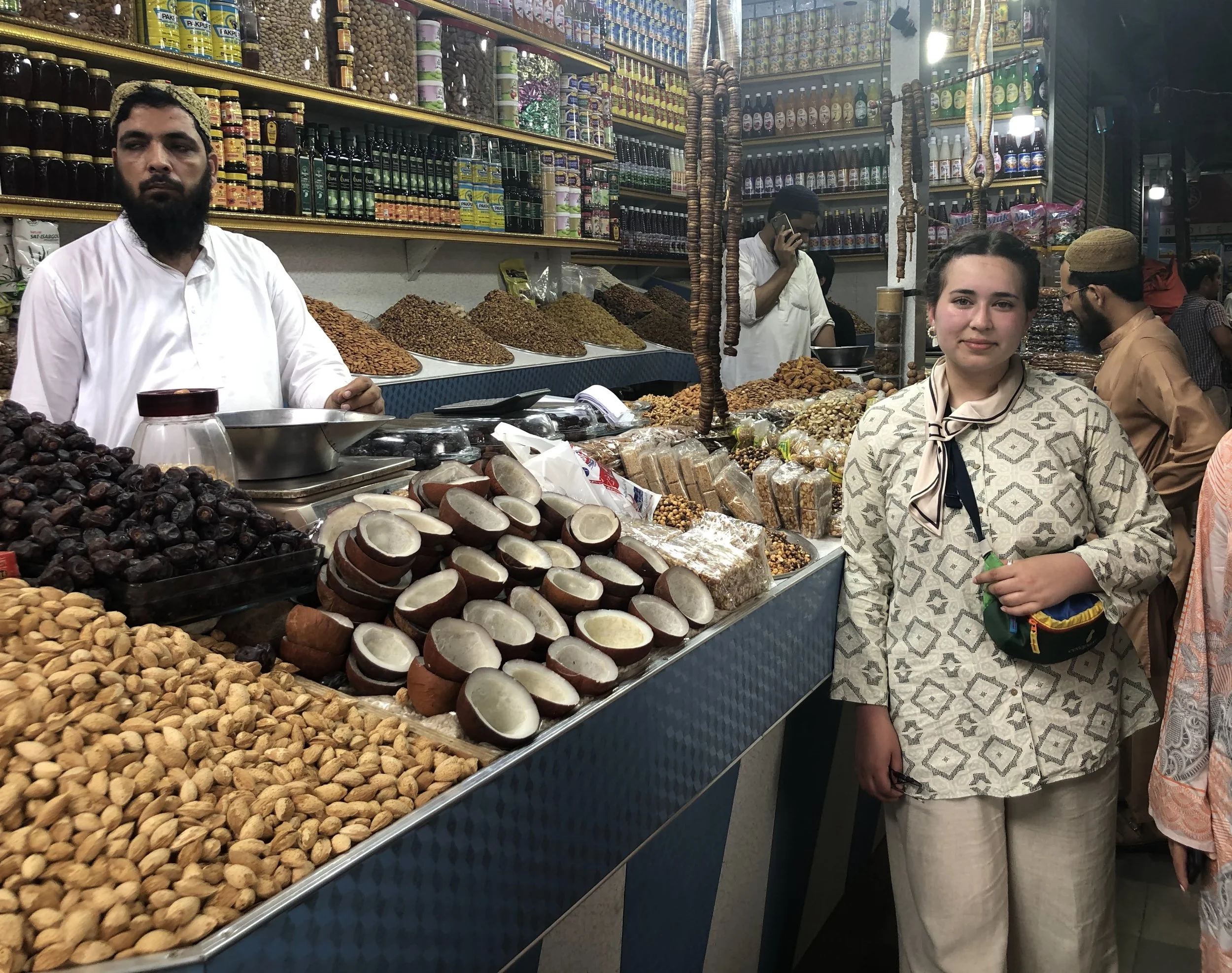
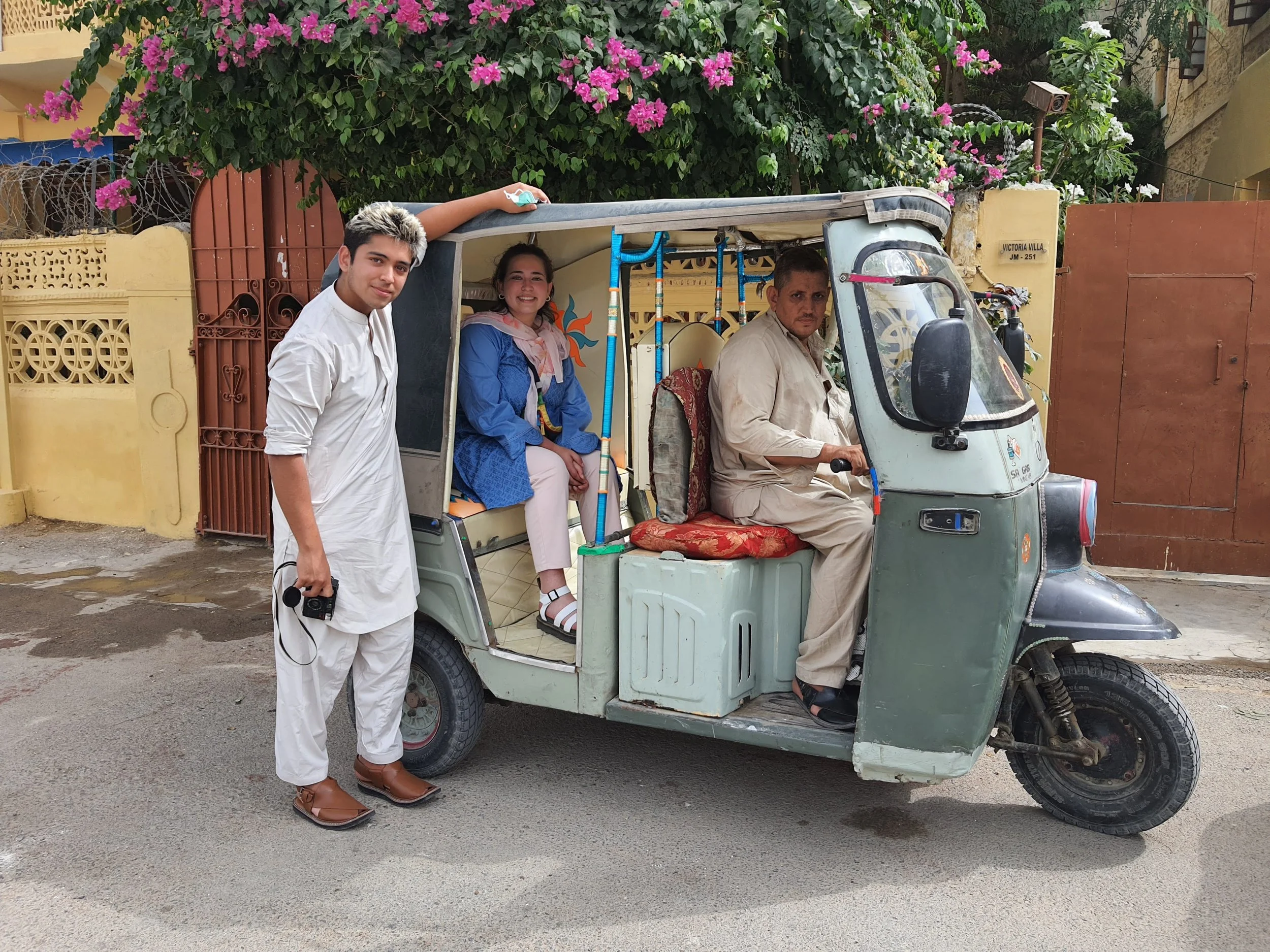
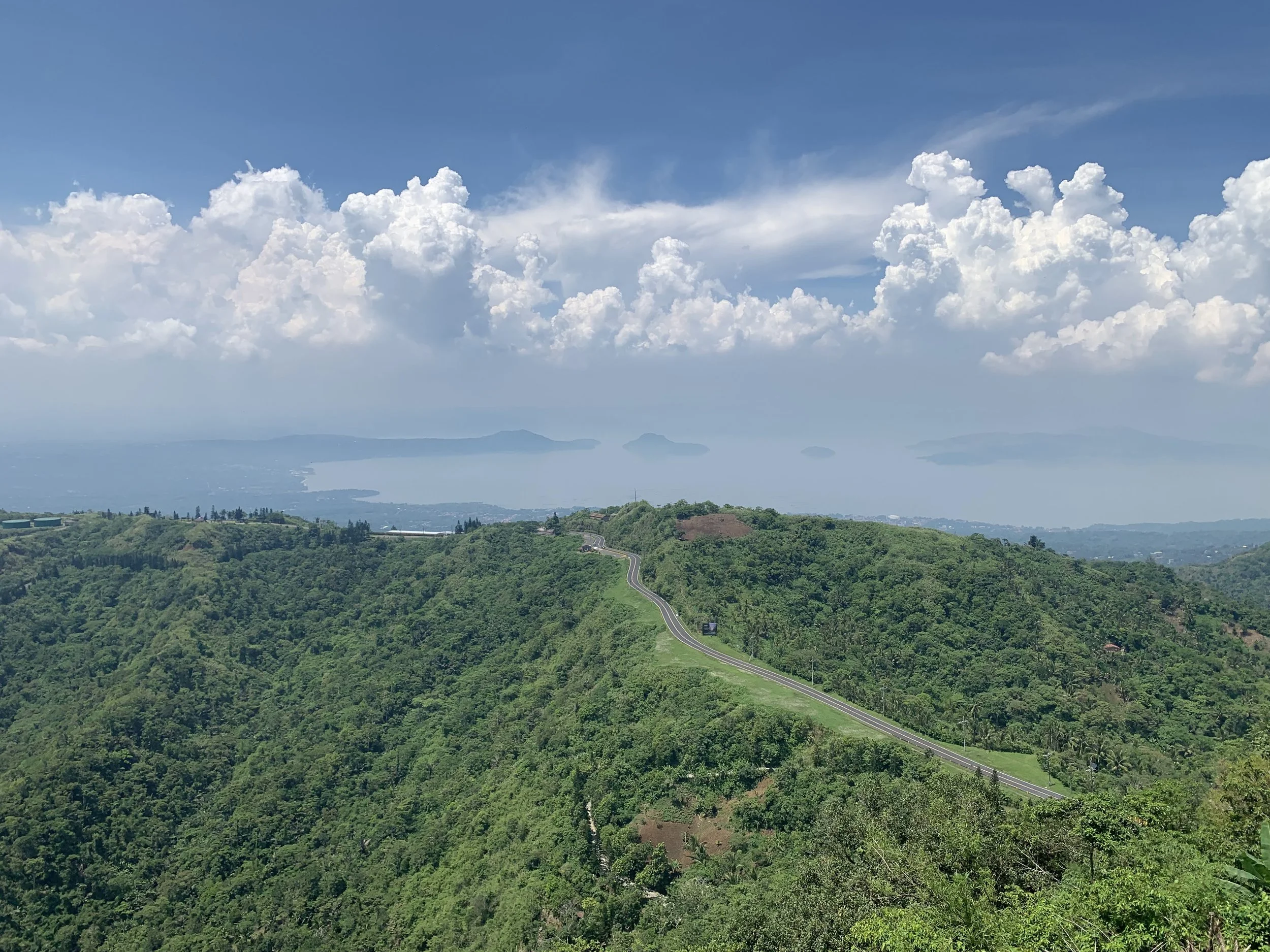
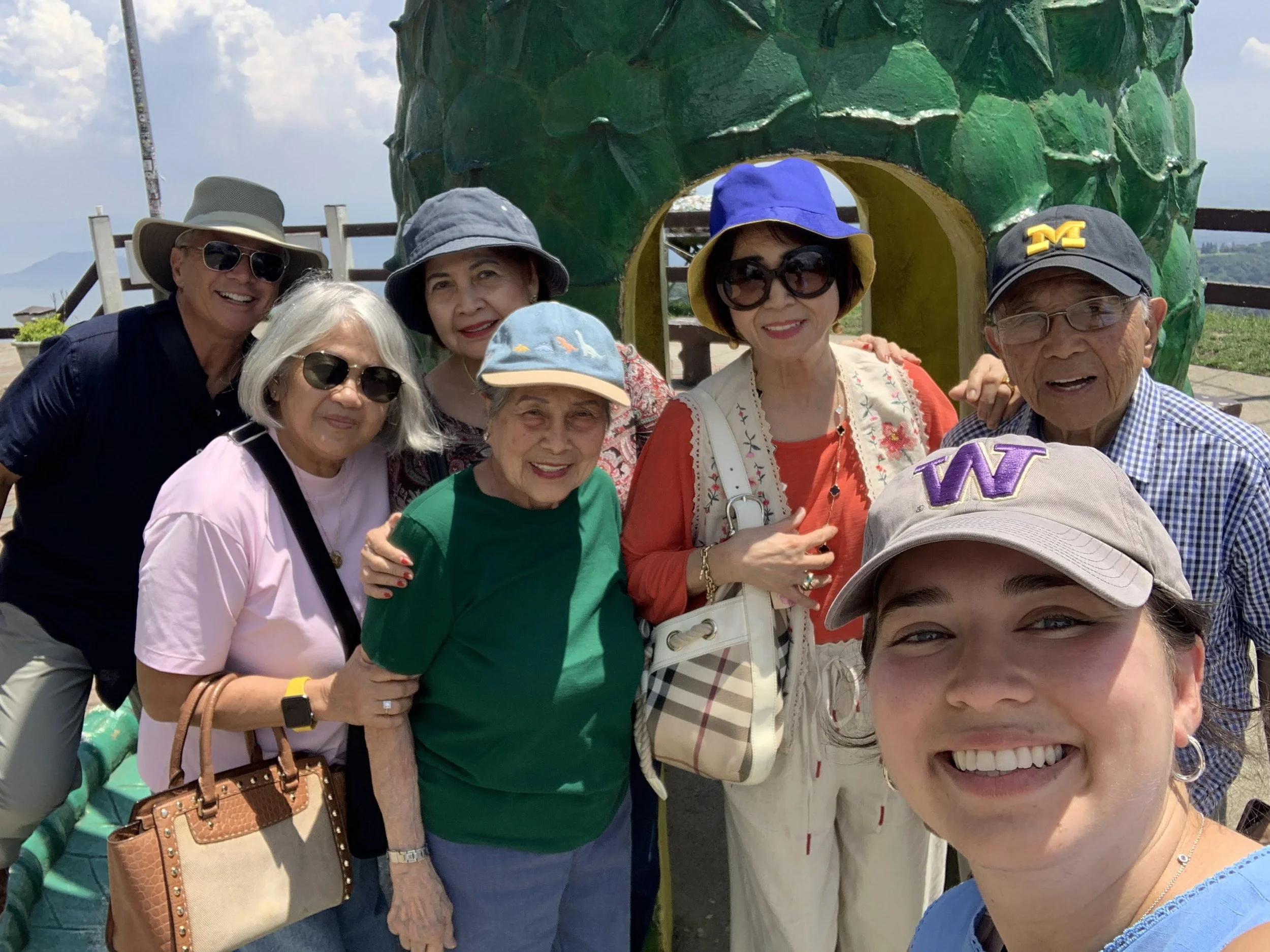
Four years later, Julie crossed the world for a second time to visit family afar: this time, the Philippines to connect with her dad’s side of the family. Time had passed since the trip to Karachi, and Julie’s mixed sense of self and confidence was changing.
Although there were language barriers between Julie and her Filipino relatives, her experience offered a different way of connecting with a homeland through active participation. Julie’s paternal grandmother was a white American, so her Filipino relatives were already no strangers to blending cultures in the family and didn’t comment at all on Julie’s appearance in the way she experienced in Pakistan. She was tossed right into karaoke nights with her aunties, trying balut for the first (and last) time, and being shuttled around town with all the activities her relatives had planned.
It helped to actively participate in her culture, but Julie’s experience in the Philippines was also shaped by her own approach to engaging in her roots. Her sense of self was less shaken up by what others might have thought of her, and more rooted in the confidence to define what belonging looks like for herself. She focused on presence and participation, and confidence in her cultural identity.
Weaving between airports, languages, countries, and parts of herself over the years, Julie has learned to give herself permission to participate in her identities even when others don’t immediately see it. Rather than forcing identity to be a definitive thing, she allows her interwoven self to be complex, incomplete, and always completely hers.
A foreigner at home
Amresh’s life has been split into three decades, and three distinct continents. He grew up in Kuala Lumpur with his Malaysian-Indian family, surrounded by cousins, hawker centers, communal meals and a city full of diasporas. His twenties whisked him away to London, and now he’s raising his multiracial daughter in San Francisco.
If you ask Amresh where he’s from, he’ll tell you with great pride that he’s Malaysian, with full-hearted recommendations of his favorite dishes, places to visit, and a warmth and hospitality unmistakably traced to his upbringing in KL. But when he returns home for his annual trip to see his family, locals don’t register him as one of them.
“Are you visiting from India?”
“Sorry, your accent just sounded so English.”
Beyond assumptions from strangers in taxis and shops, things have changed between Amresh and his community who stayed in KL all these years. While Amresh spent his formative young adult years in the western world, his identity became interwoven with different cultures, values, and ways of moving through the world. Returning to Malaysia always felt like a homecoming, but Amresh also started noticing the friction between his evolving self and the Malaysian culture he grew up in.
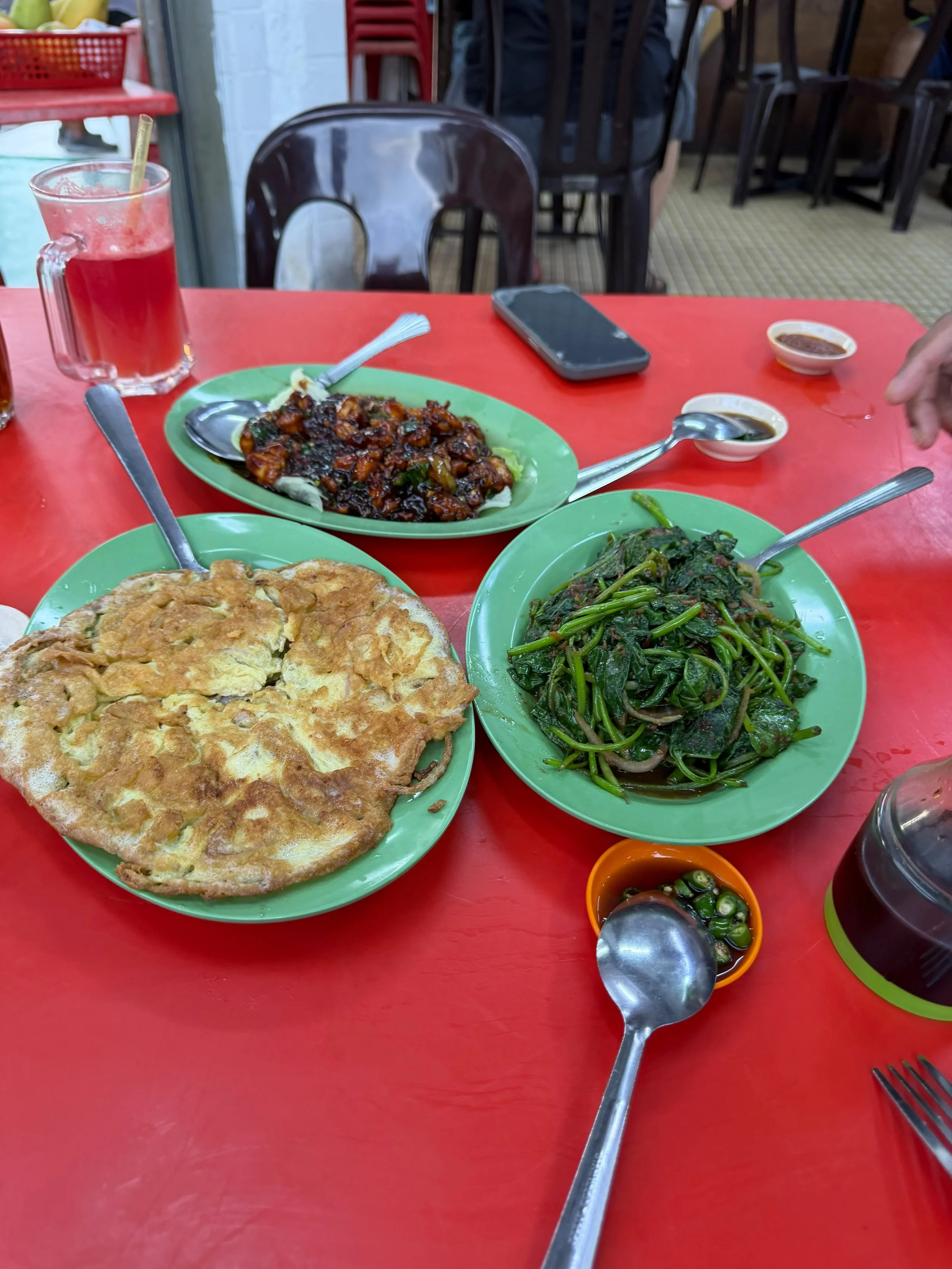
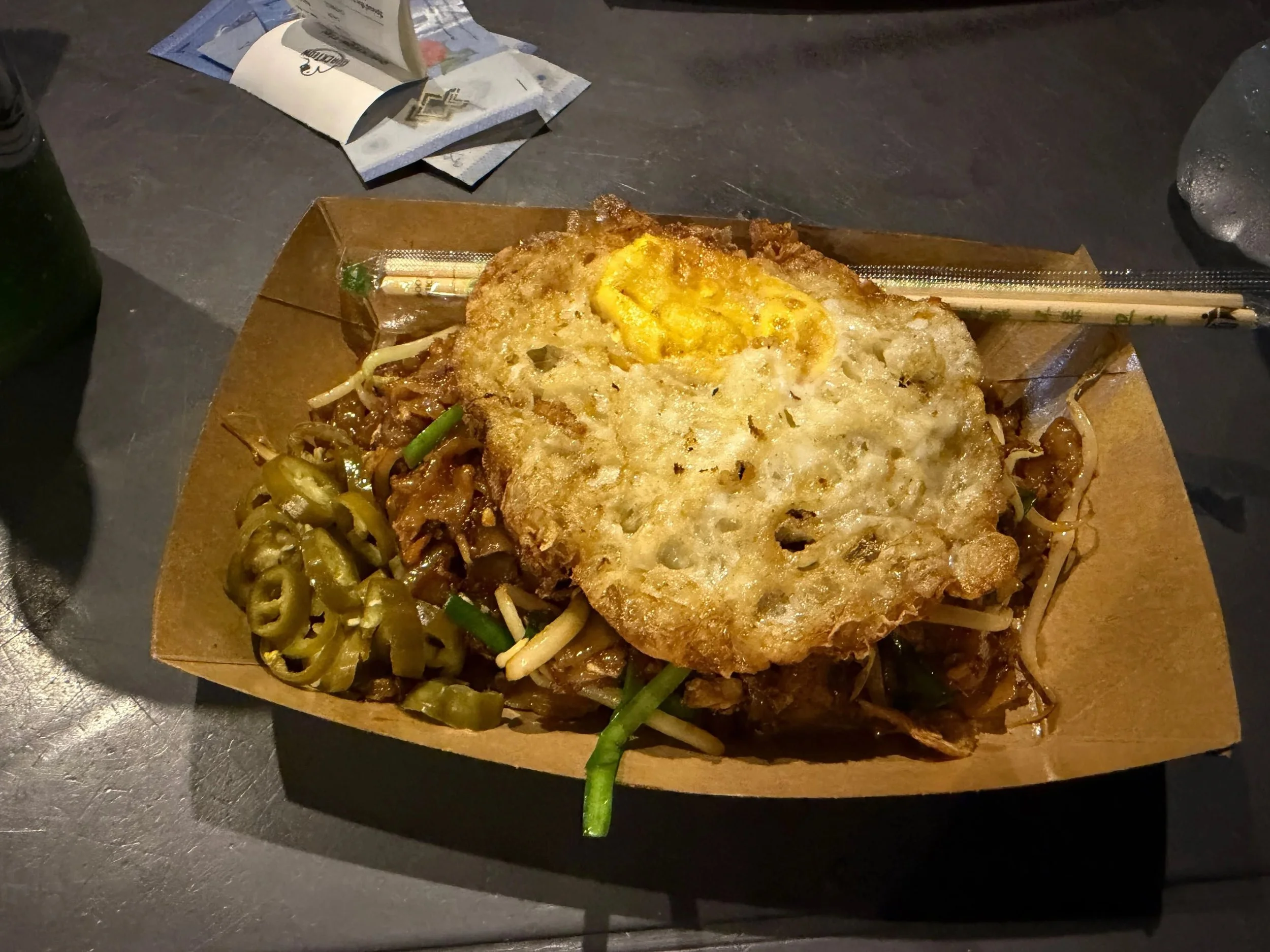
Boundaries, for example, are hardly a concept in his Malaysian family. People are always together, sharing meals, and giving advice as ways of staying in each other’s lives. You’ll be fed far past what your stomach can hold out of love and hospitality, and parents and aunties are ready to move in with you for six months to help you start your journey as a parent. In western cultures, individuality is highly valued and paving your own path is a respected way of operating. But diverging from the common way of doing things can generate some friction when Amresh is with his family in KL, sometimes interpreted as a form of pushing away and trying to separate yourself from someone.
Where is home when people there don’t perceive you as one of them? Or when you return seeking home comforts and familiarities, to find that things have changed and you don’t quite fit into the dominant culture anymore? In Amresh’s own words: “I’ve gone so far that I’m not even sure where I’m from.”
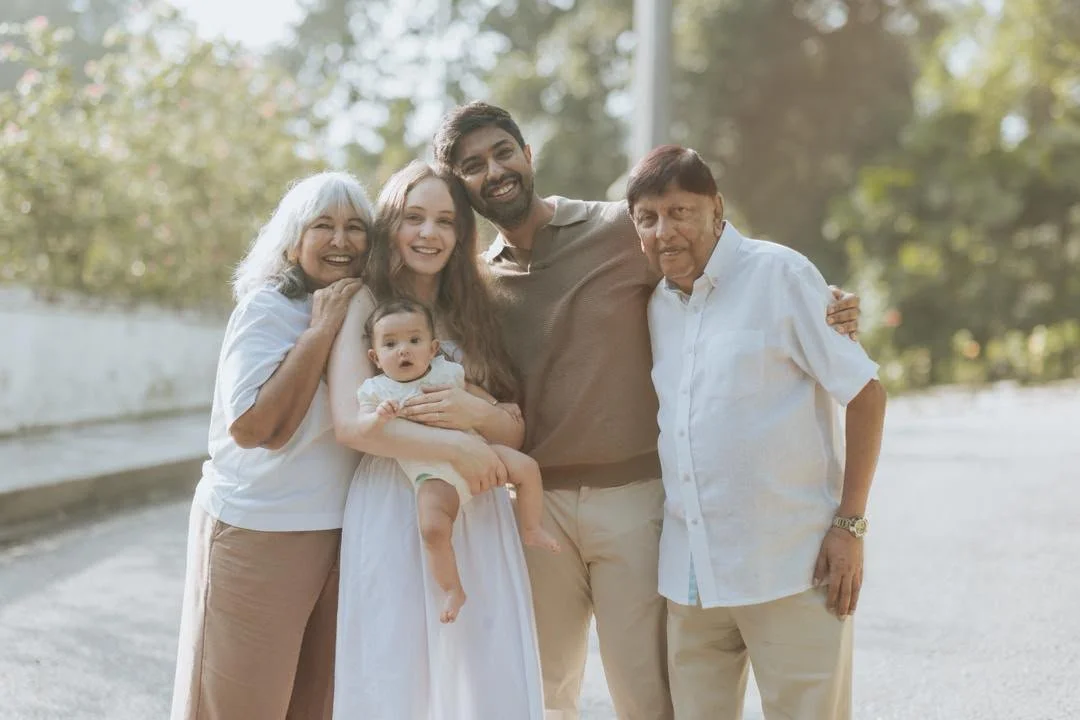
Amresh with his parents, partner, and daughter
The answers to those questions aren’t so clear cut, but Amresh embraces the nuance of it all. Now as a parent to a multiracial child in San Francisco, he and his partner Sally are building their own multicultural version of home for themselves and their daughter, Aila. While Amresh has felt a distancing of himself from Malaysian culture over recent years, he’s recently found himself leaning more into his culture so he can pass it onto Aila. And, he’s doing it in his own style with the warmth and collectivism of Malaysia, the ambition and independence of London and the US, and the open-minded wonder towards the world that’s been a part of him in every continent.
“Home is where my people are. It doesn’t have to just be one place.”
Every interwoven person goes through the journey of making sense of their identity and navigating through the places and people that make them who they are. While Julie and Amresh have very different stories of what going “home” has felt like to them, there is an undeniably shared experience in navigating the push and pull in their various homelands, how they are received and perceived, and their approach to defining what an interwoven identity means to them.