When Sarah’s friend told her she didn’t look “Asian enough" to apply for a music festival featuring people of color, something clicked in her.
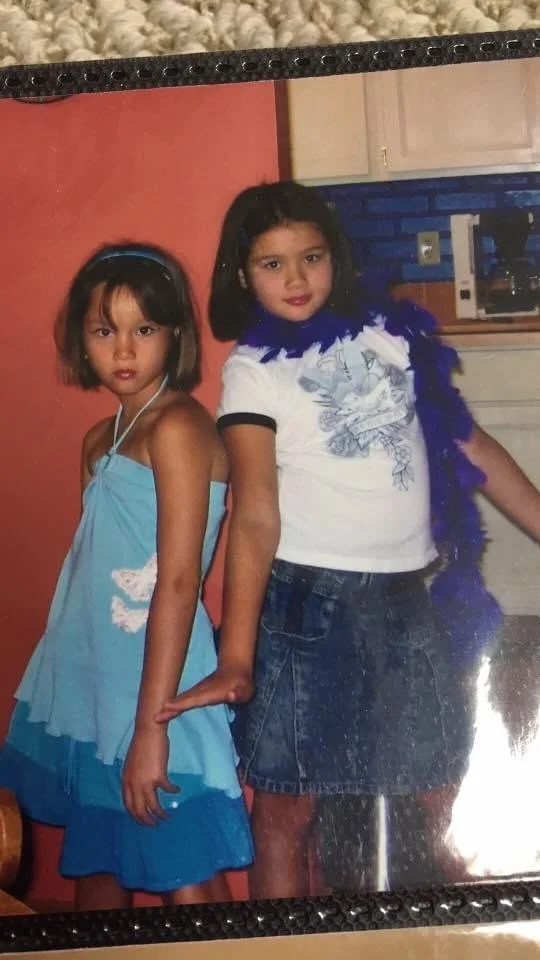
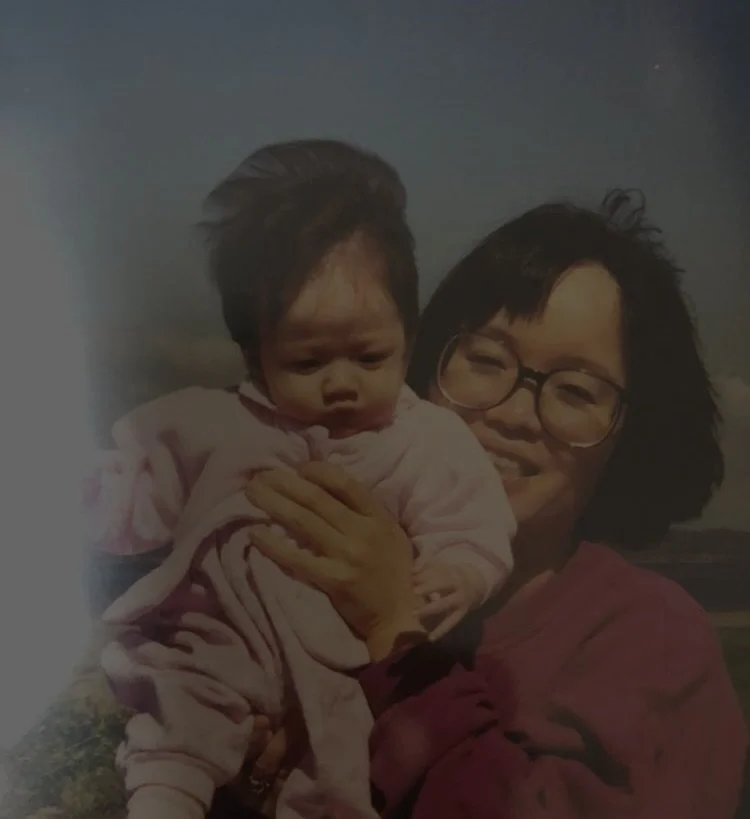
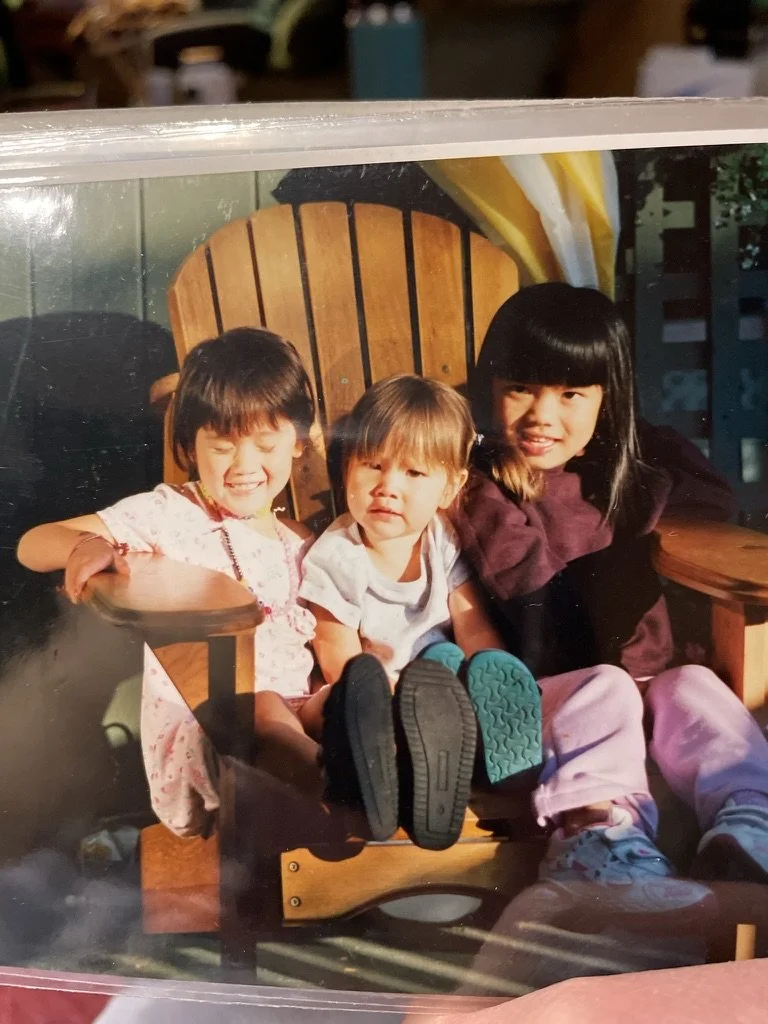
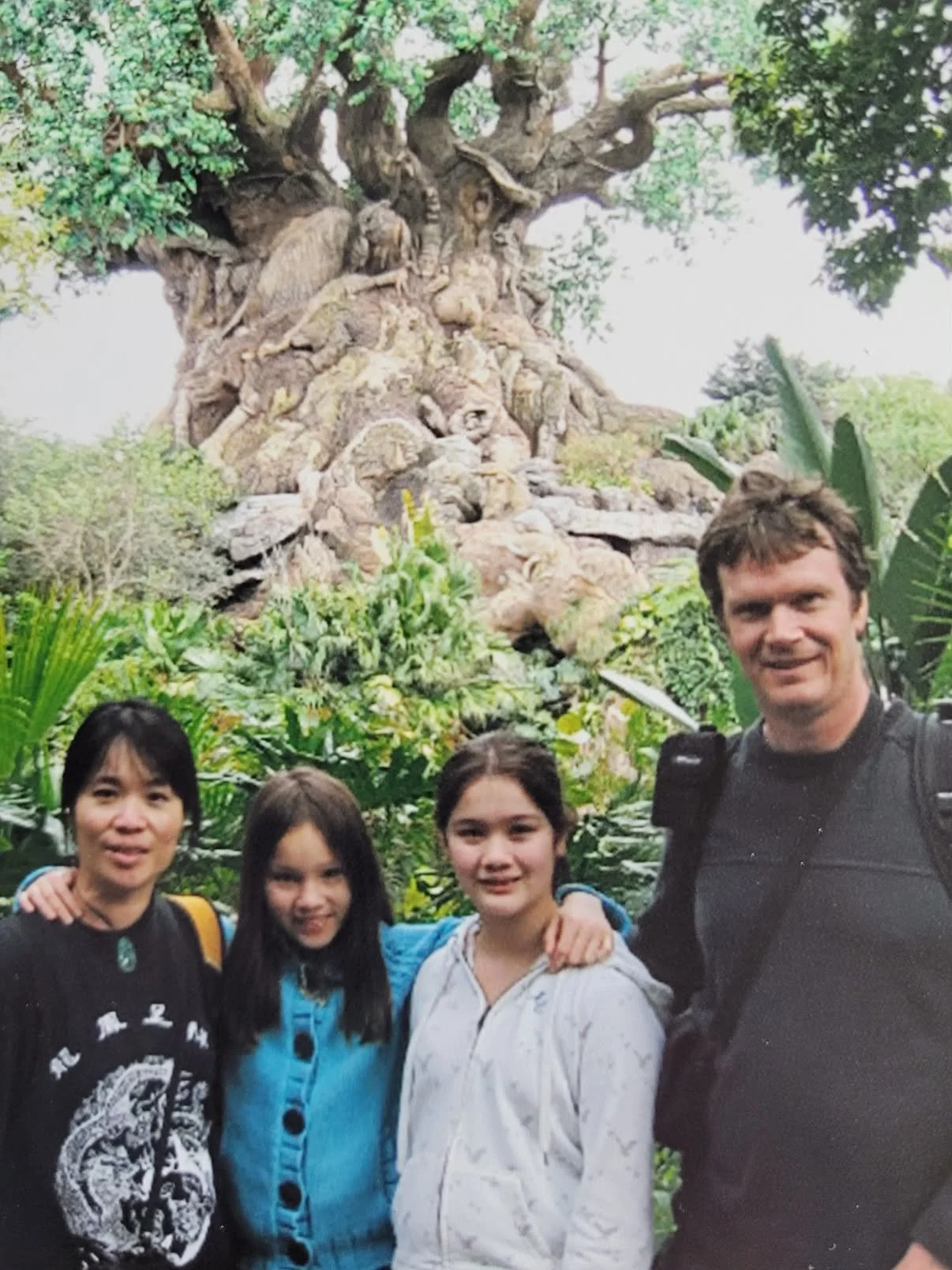
It wasn’t her first time being subject to people’s opinions about how “enough” she was in her multiracial identity. Growing up mixed in small town Canada with heritage from China, Denmark and Scotland meant a lifetime of conforming to where the currents took her amongst peers, perceptions, and expectations of who she was supposed to be.
This comment gave Sarah pause. Was it true? Was being half Chinese, with heritage, traditions and culture inherited from her mother’s side of the family enough to claim her identity?
The river flows
There’s a saying: rivers don’t split, they flow to the path of least resistance. The water always comes from the same source, but how it flows, wiggles, and moves through the world depends on a lot of factors.
If we think about identity as a river, Sarah’s has been flowing into two channels for a while.
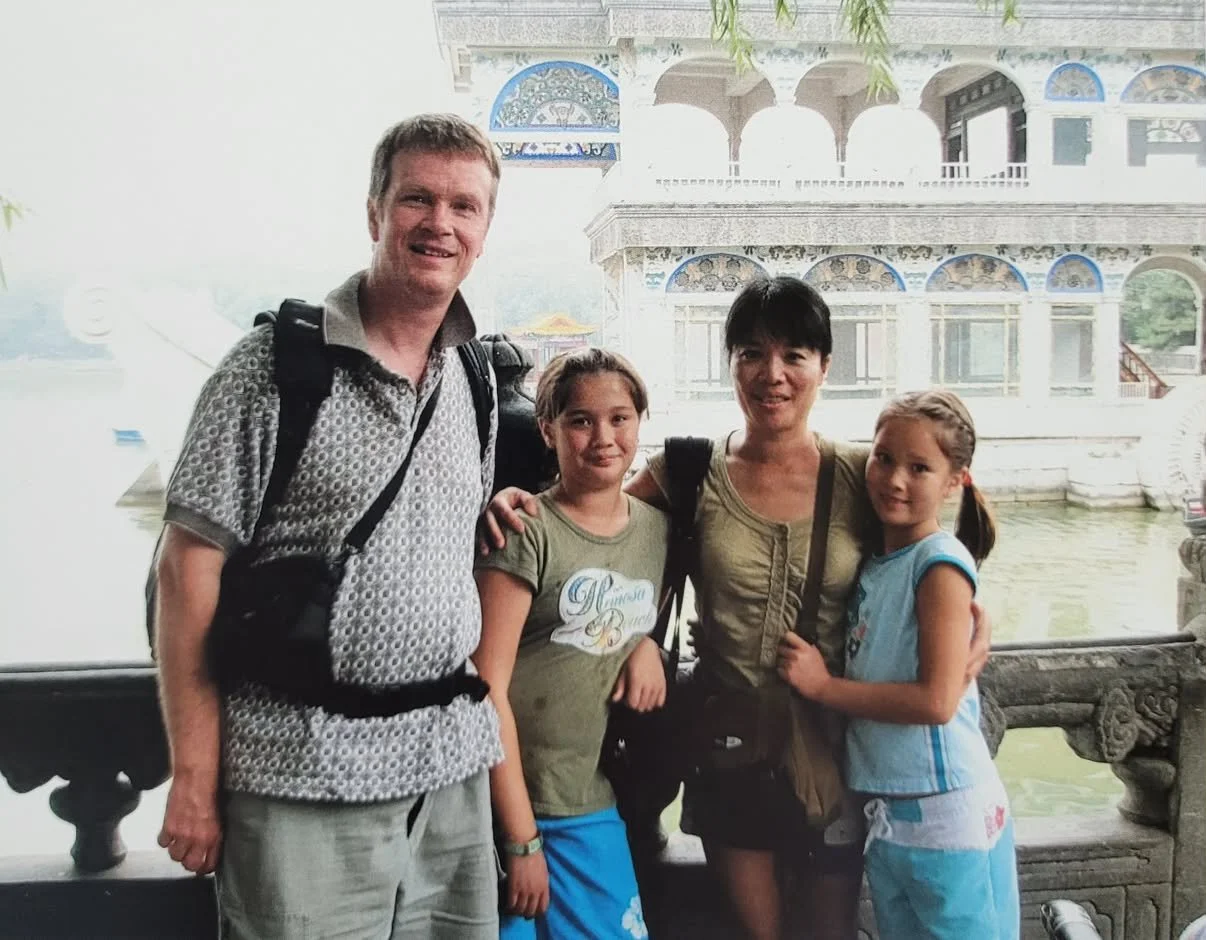
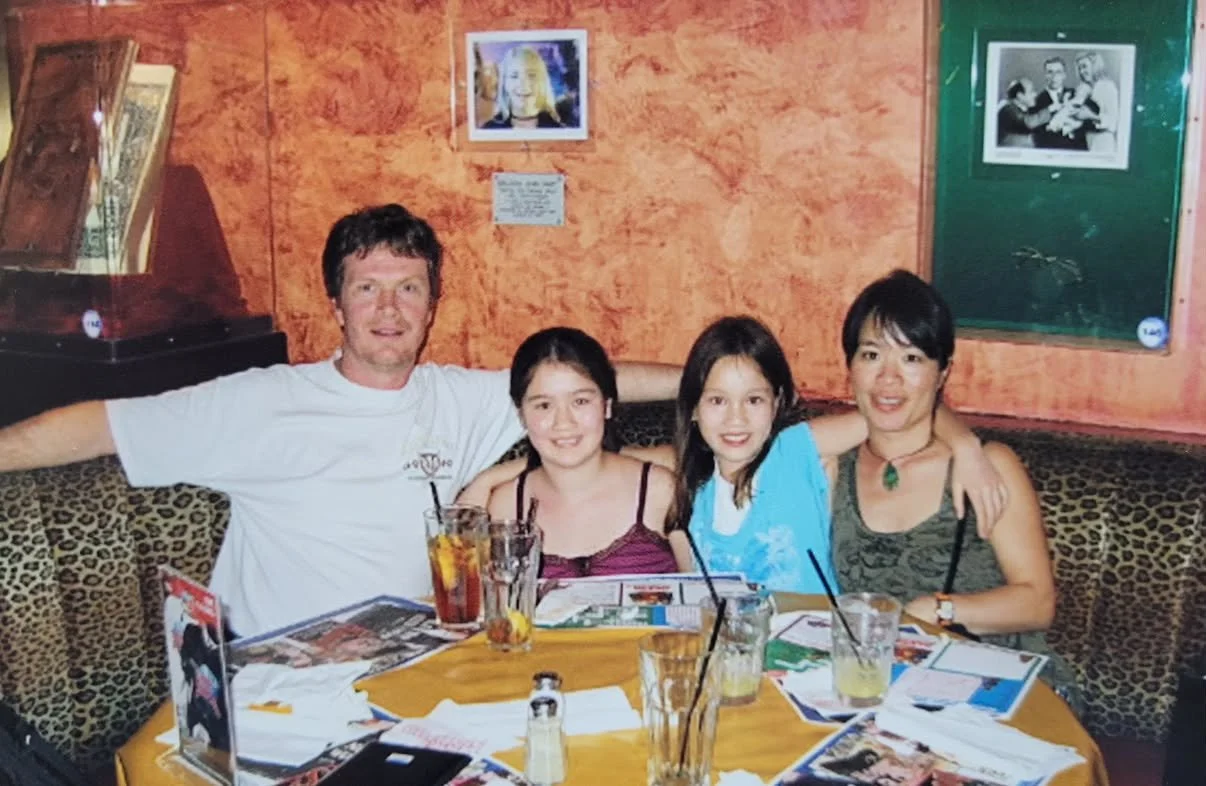
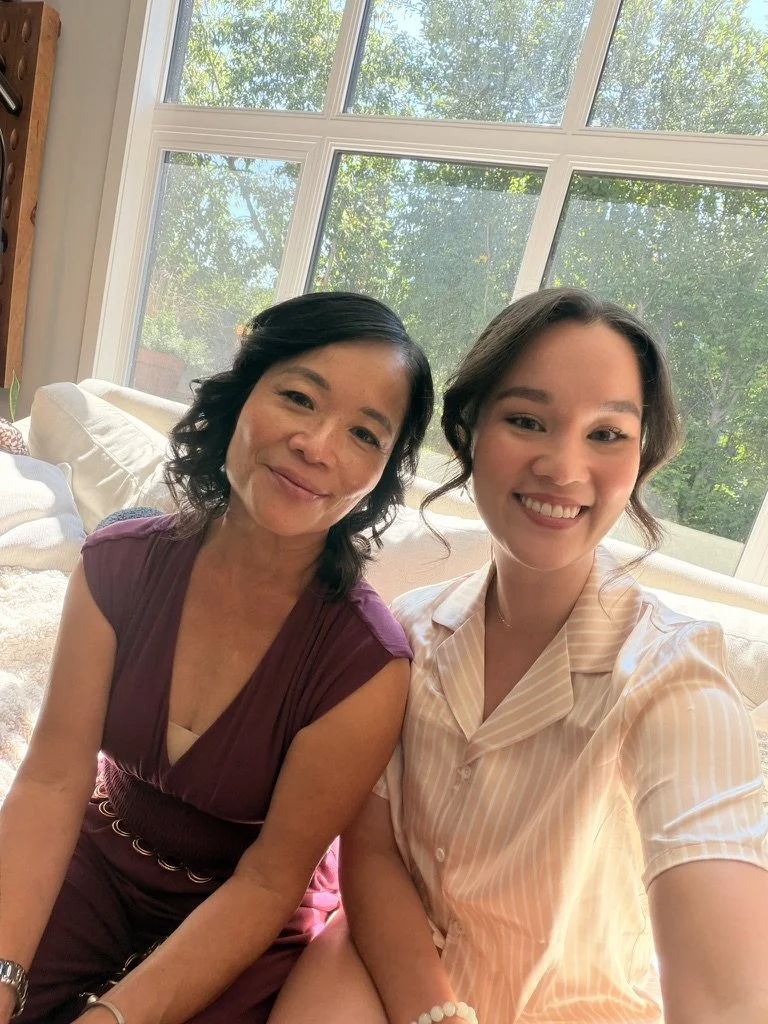
Sarah grew up in Vernon, BC, Canada surrounded by a white-dominant population. Her mom’s family immigrated to Canada from Guangzhou, her dad’s with Danish and Scottish roots. Her childhood was immersed in the sounds of Cantonese around her, winter rice puddings her Danish grandmother would make every Christmas, steaming dim sum at family lunches, and the smell of herbs from her grandfather’s garden.
Her upbringing was interwoven to the core, but the way Sarah was perceived in Vernon was a little more one-dimensional. She was often referred to as the token Asian kid at school, where kids would always point out her strange lunches and her giftedness in math that of course had to be because of her racial background. In this environment, Sarah found herself laughing along with jokes that never felt quite right, and trying to flow with the currents of fitting into white spaces that didn’t recognize her nuanced self.
The combination of all these identities and where she was raised meant a lot of conforming, shape shifting, and explaining her background to others who didn’t always see all of who she was.
The river bifurcates
When a river begins to flow through multiple channels, bifurcation occurs. It can happen when a river meets a barrier, like an island or a mountain, and finds a way to go around it. Sometimes bifurcation happens when a river floods, and the overflowing water finds new nooks in the earth to flow through.
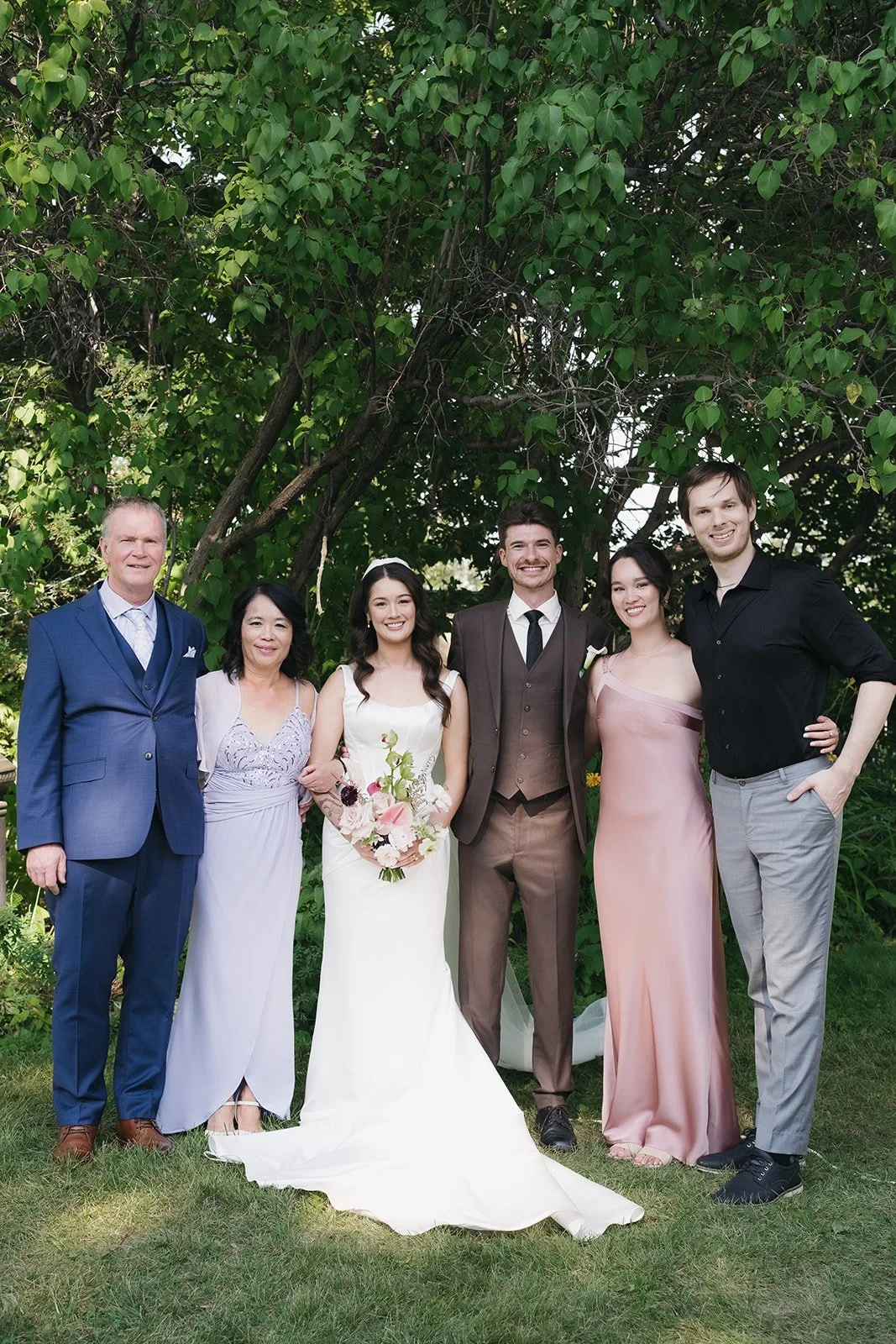
Sarah’s river bifurcated when she moved to Vancouver five years ago, where she found herself being carried in a very different kind of current to conform to.
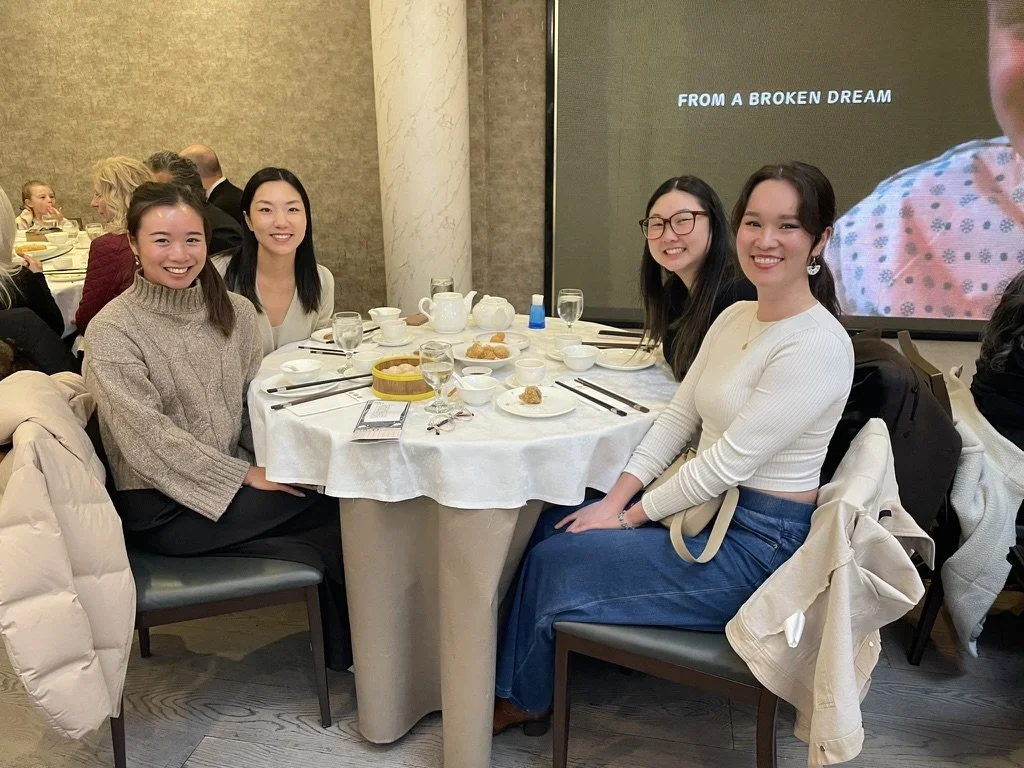
Back in Vernon, Sarah was always viewed as “the Asian one” while she tried to conform to white cultural norms around her. Suddenly, leaving behind her smaller hometown for a bigger city with a lot more racial diversity, Sarah was no longer the most or only Asian person in the room. Instead, she found herself wondering if she was Asian enough to participate in her culture amongst peers who grew up with more cultural knowledge and language skills than she had.
Her sense of self was rattled. The way she had to explain herself and navigate conversations about her mixed identity was flip-flopped from how she grew up based on the perception of the new people around her.
The river avulses
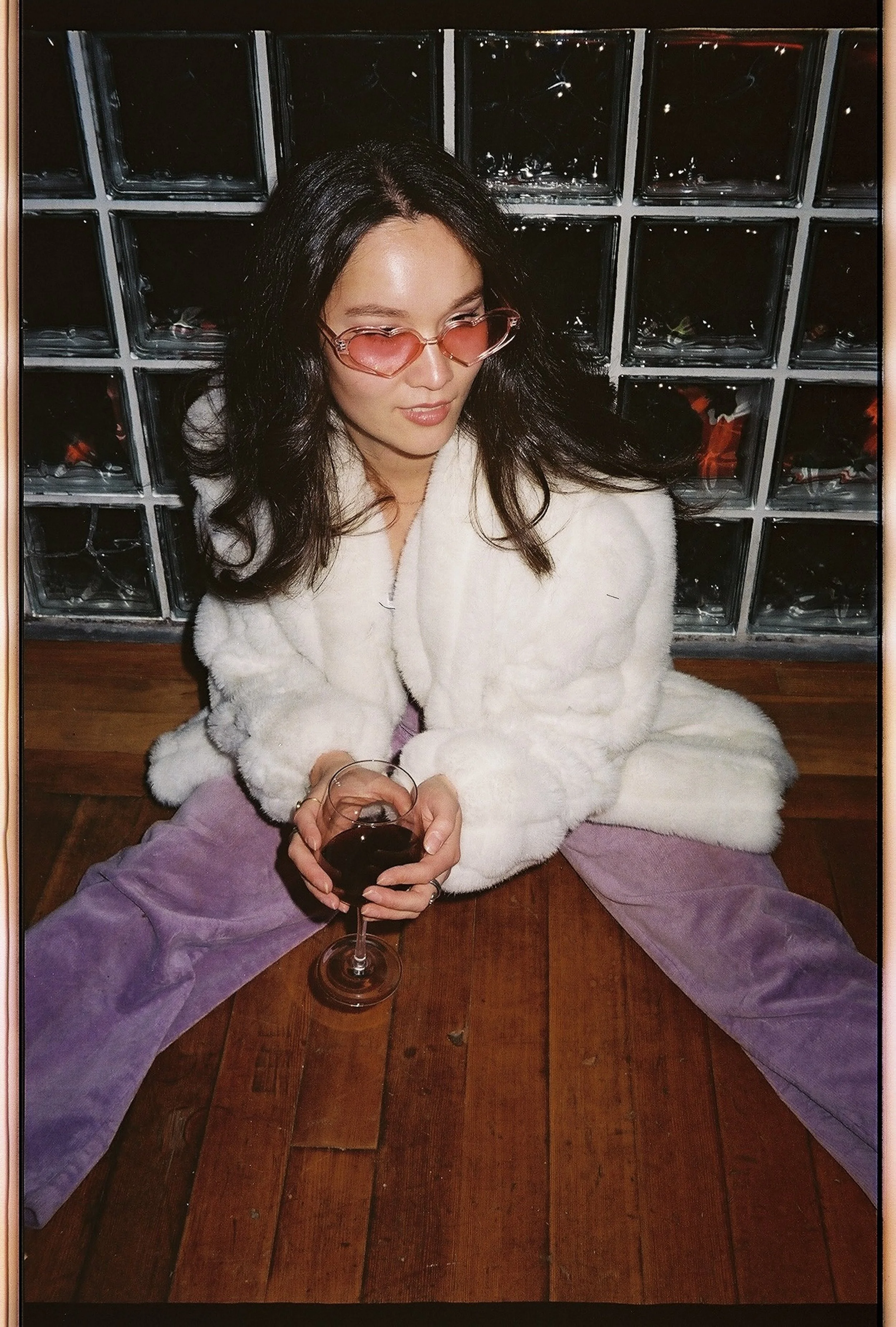
“I’m in pursuit of being the truest version of me, and I think doing that through culture, reflection, and connection with community is the best way to do that.”
— Sarah Orr
When a river suddenly changes course, jumping to a new channel previously untouched rather than slowly bifurcating, it’s called river avulsion. Avulsions require two conditions: a build-up of conditions that put pressure on the river past where it presently flows, and a sudden event that triggers the change.
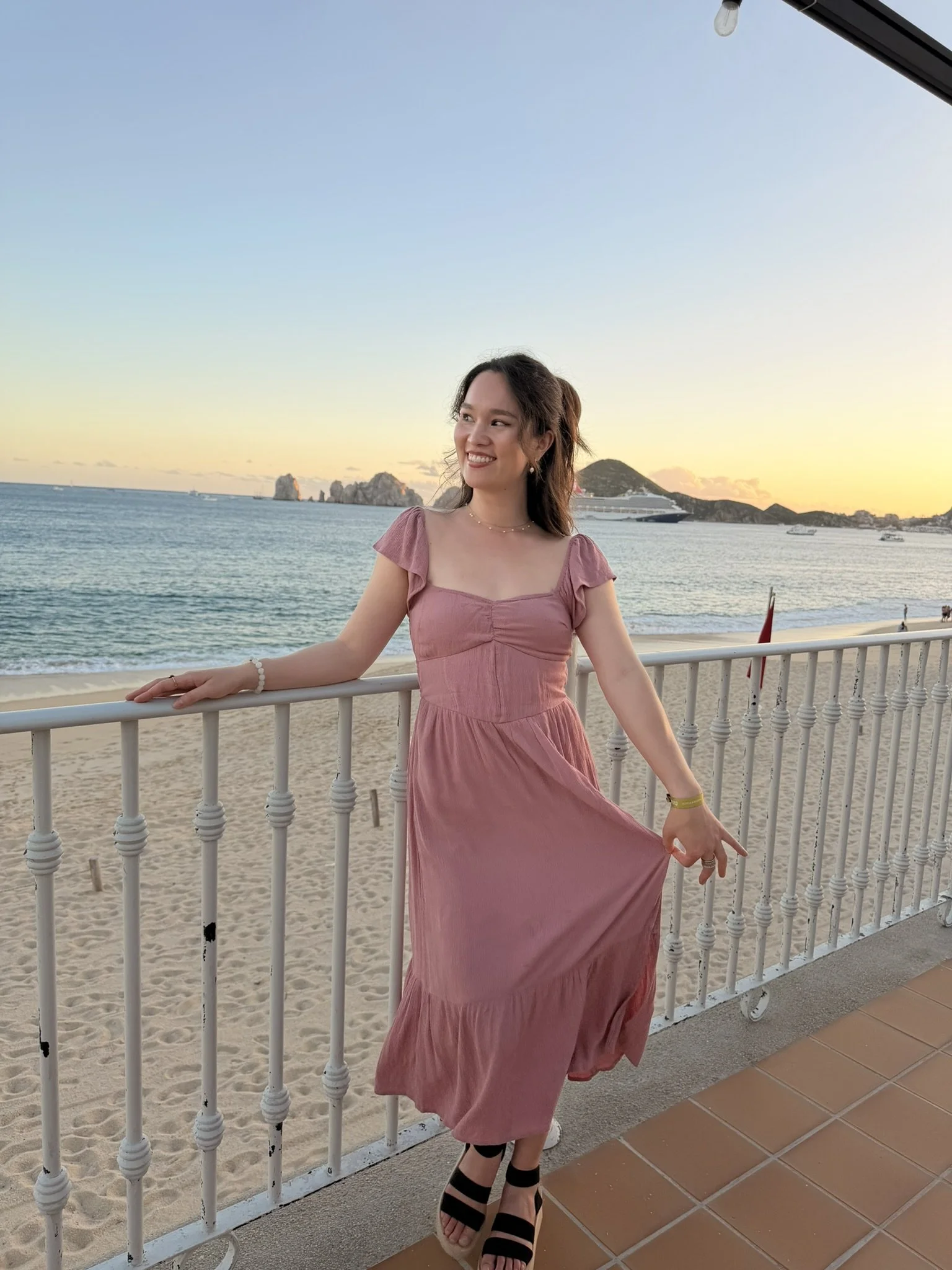
That comment from a friend was the sudden event that triggered a major change in how Sarah approaches her interwoven identity. After her own experiences of being swept through currents already set out for her, toggling between identities, expectations, and cultures, Sarah decided to carve out her own riverbed. Her river jumped into a current not previously traveled, but one that is certainly chosen with intention.
In pursuit of her own culture and identity, while rejecting conformity and where default cultural currents have previously taken her, Sarah is forging her own definition of mixedness. She’s studying Cantonese, teaching herself recipes she grew up with, and celebrating holidays from both sides of her family. She’s embracing all of the parts of who she is, taking on a learner’s mindset where her roots lead her, and navigating a new current that she’s defining for herself.
Her new song Conformity is another one of Sarah’s ways of carving out her own river path, and inviting others who can relate to hop on a boat and come on the journey with her. Sarah wrote this song as a direct response to the comments from her friend about not looking Asian enough. And most importantly, it’s a reminder to self and others with mixed backgrounds that you don’t need to prove your identity to anyone.
About Sarah Orr
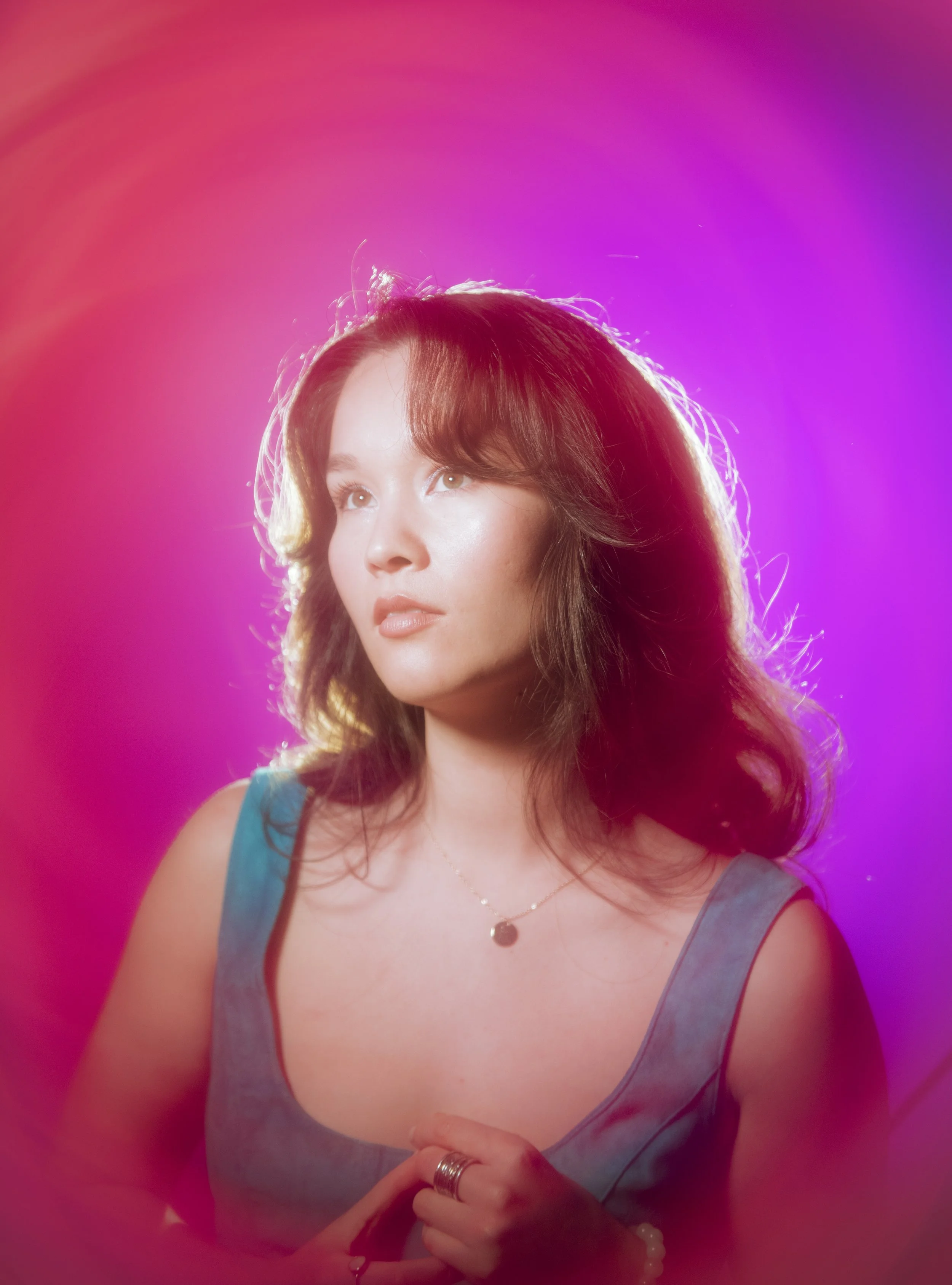
Sarah Orr is a singer songwriter from Vancouver BC, Canada. Originally from a smaller town called Vernon, she moved to Vancouver in 2021 and found herself among more musical opportunities and community. Sarah’s main musical project ORRA is in collaboration with her partner Cameron McGregor to create alternative pop with a nostalgic flair. Sarah’s music is shaped by her coming of age experience moving from a smaller town to a larger city as well as her background navigating mental health challenges and growing up mixed race Chinese and European. Her current endeavors include trying as many local restaurants she can, cultivating relationships in her community, building her skills as a musician and learning more Cantonese through taking lessons and chatting with her family.“