Have you ever read a book that stopped you in your tracks and made you wonder, “where has this been all my life?”
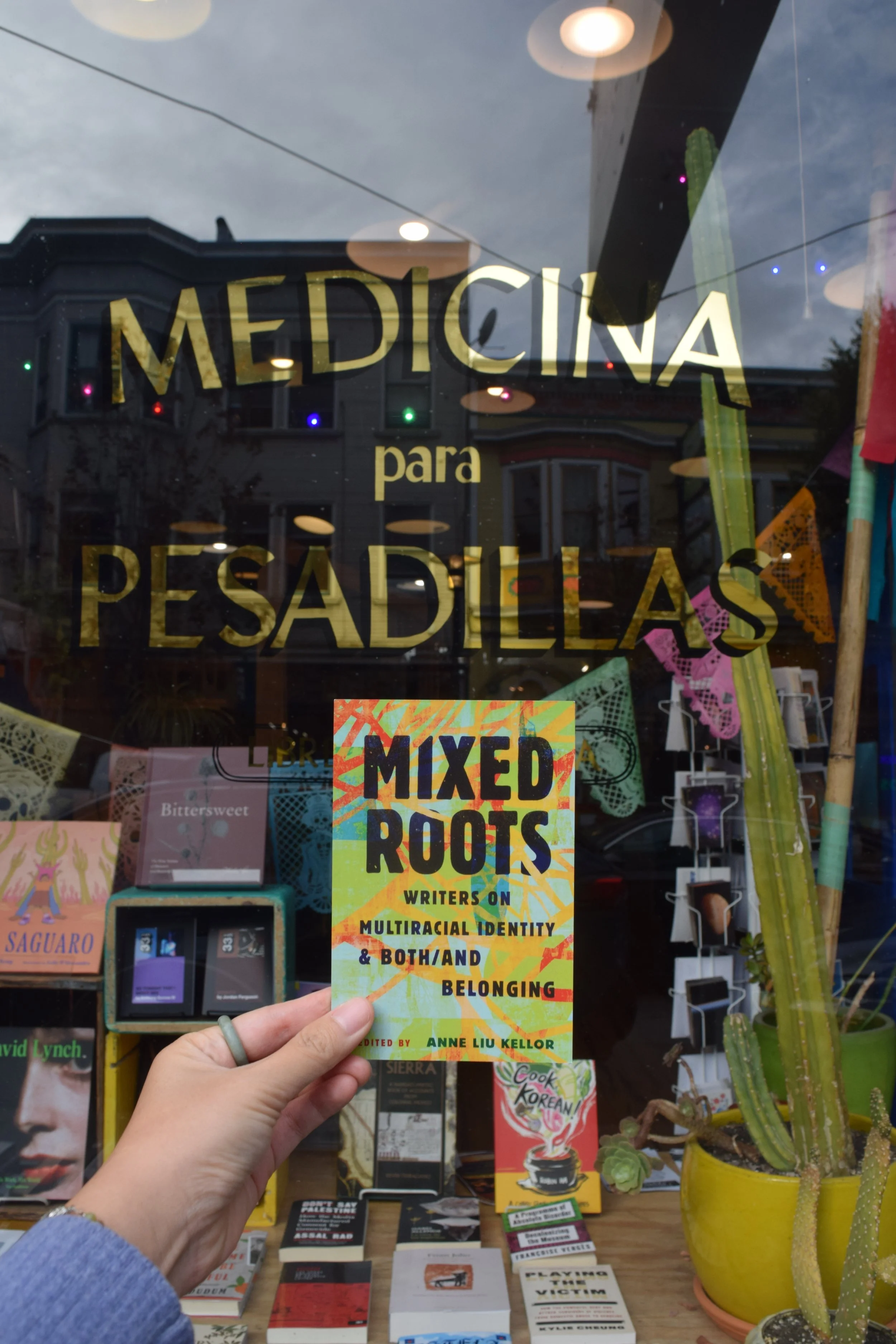
For people with blended ancestry or cultural backgrounds, Mixed Roots: Writers on Multiracial Identity & Both/And Belonging is that book. It’s packed with 29 deeply-relatable essays about navigating life between racial and cultural identities looks and feels like. No matter what your unique interwoven background is composed of, you’re guaranteed to read something in here that you resonate with, find words for something you’ve always felt or intuited but couldn’t explain, or simply explore from a new point of view.
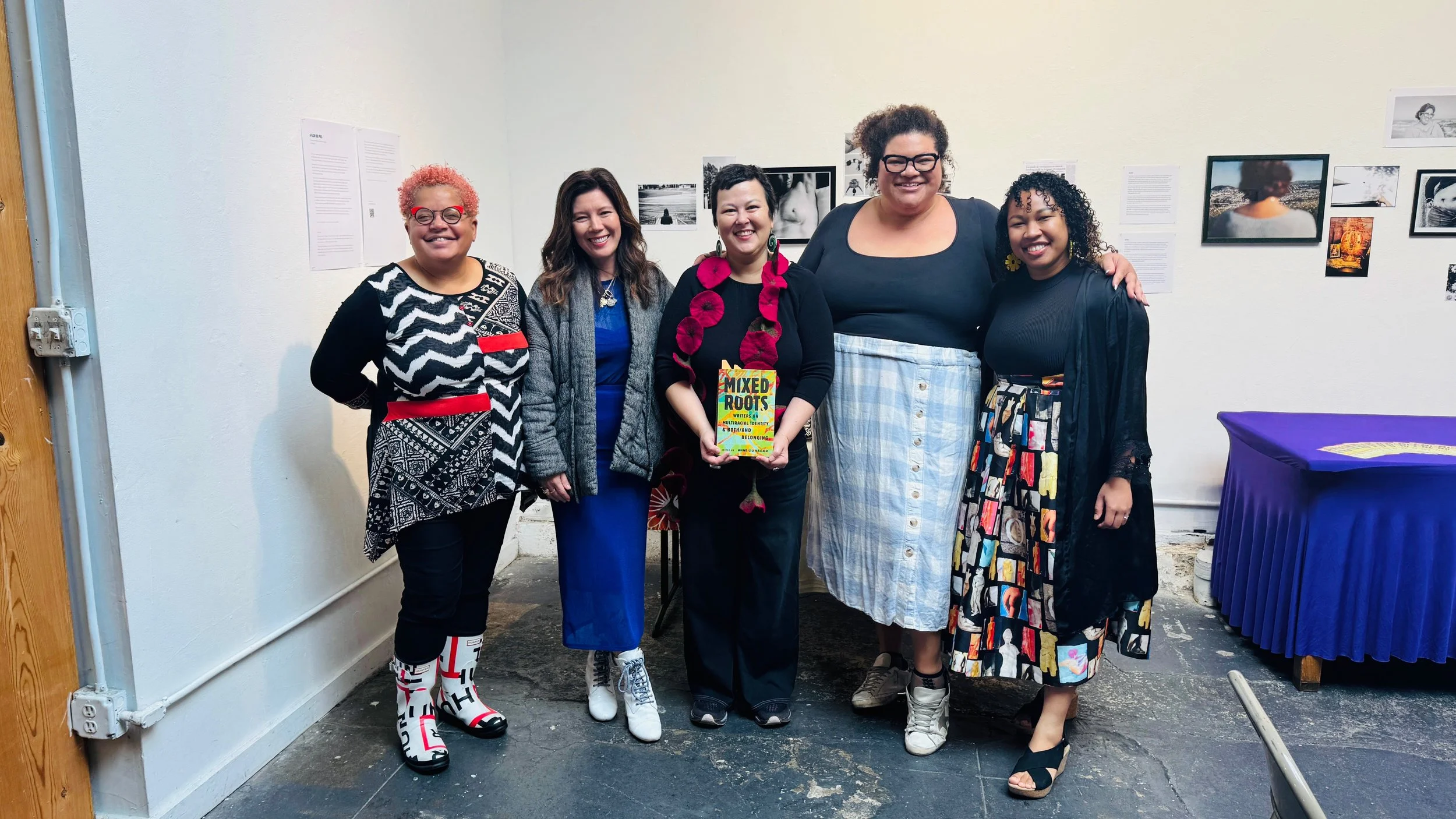
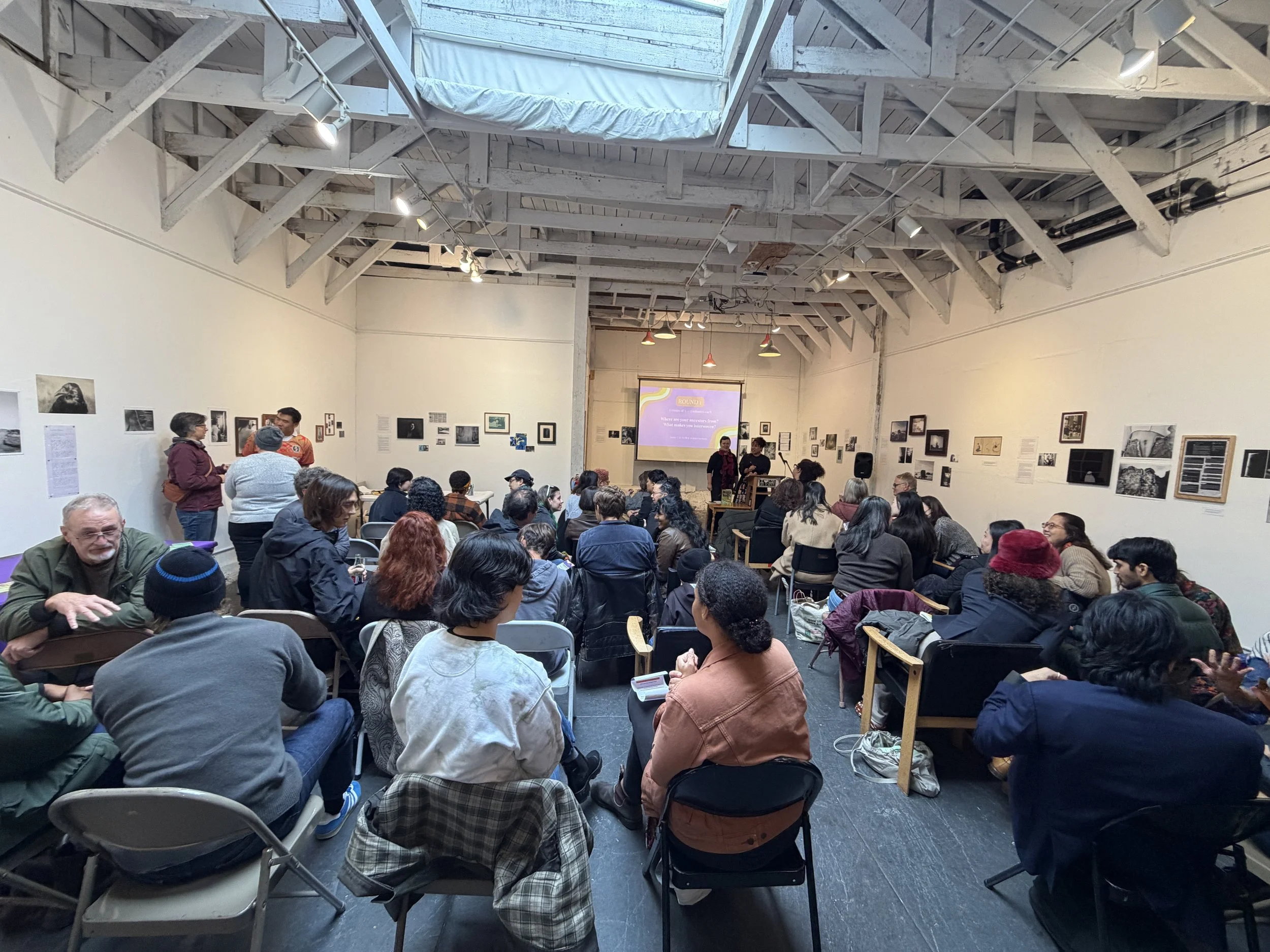
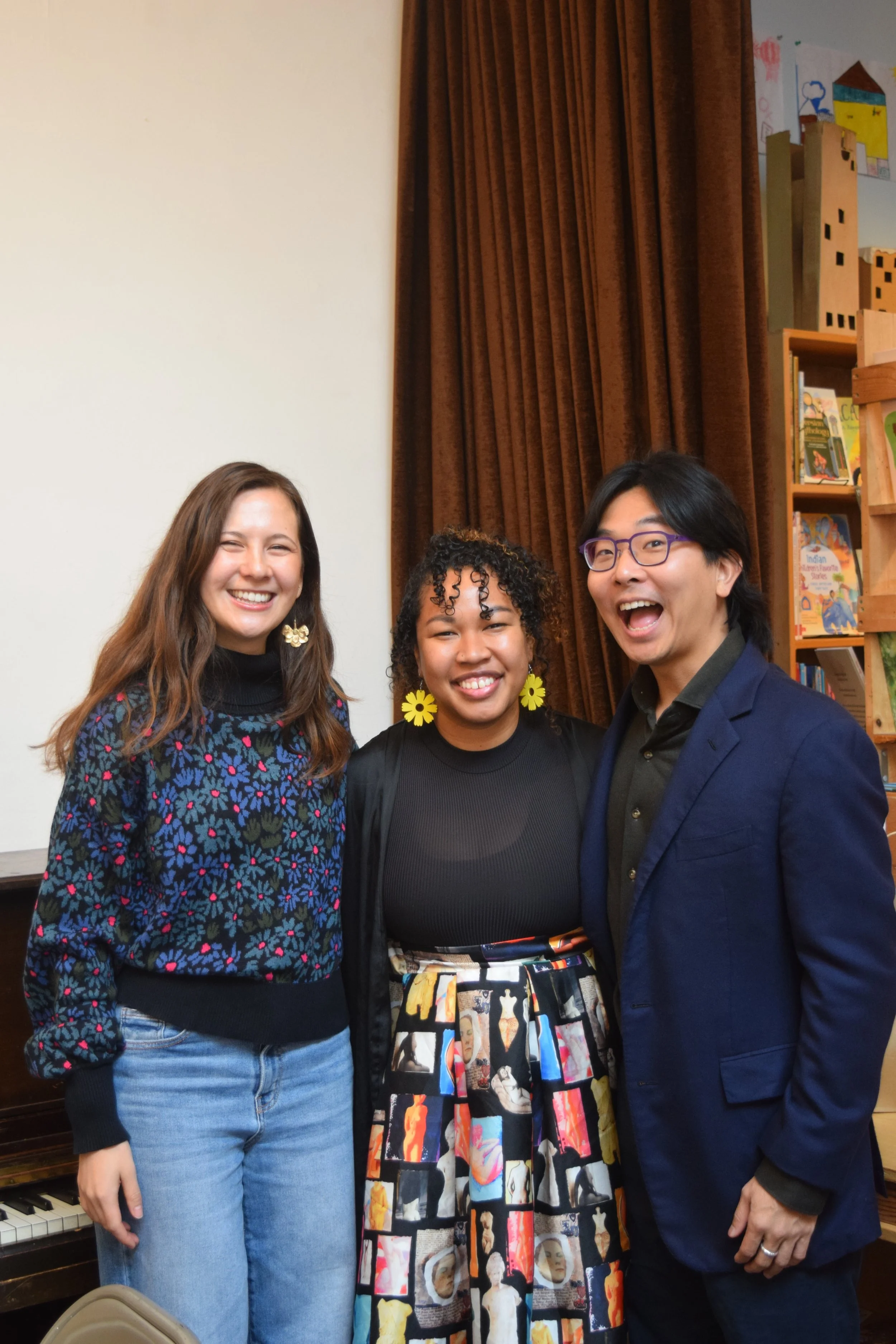
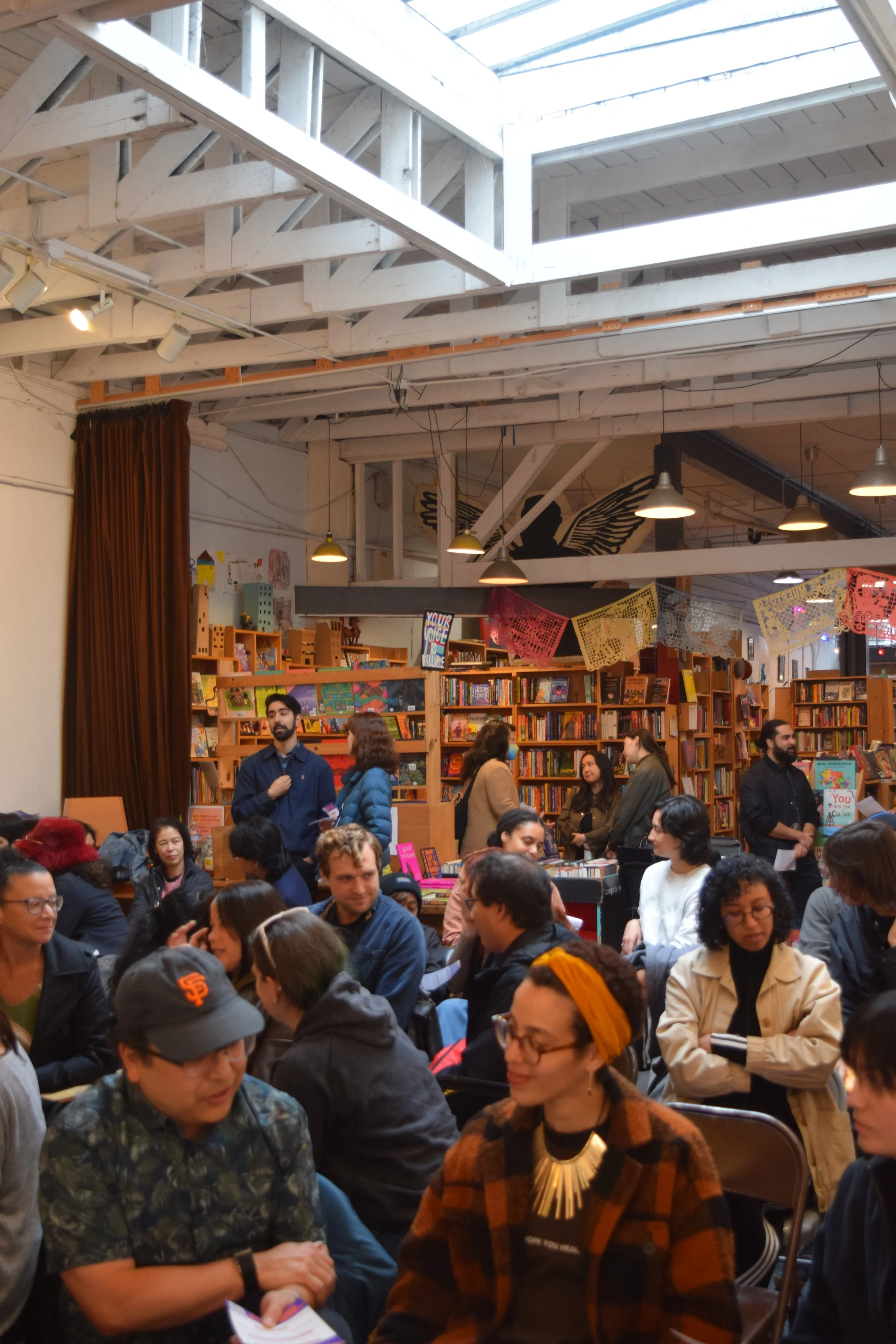
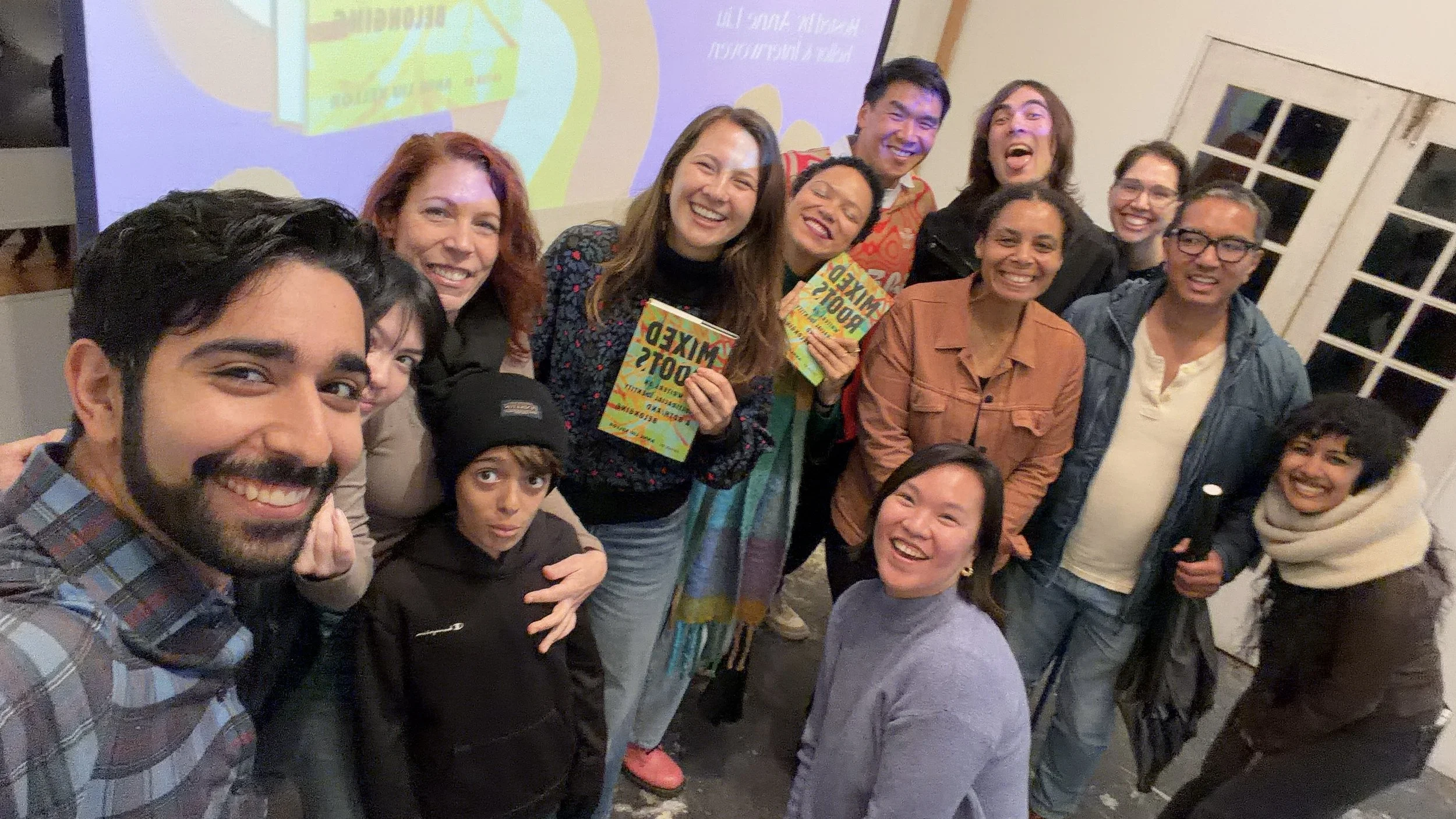
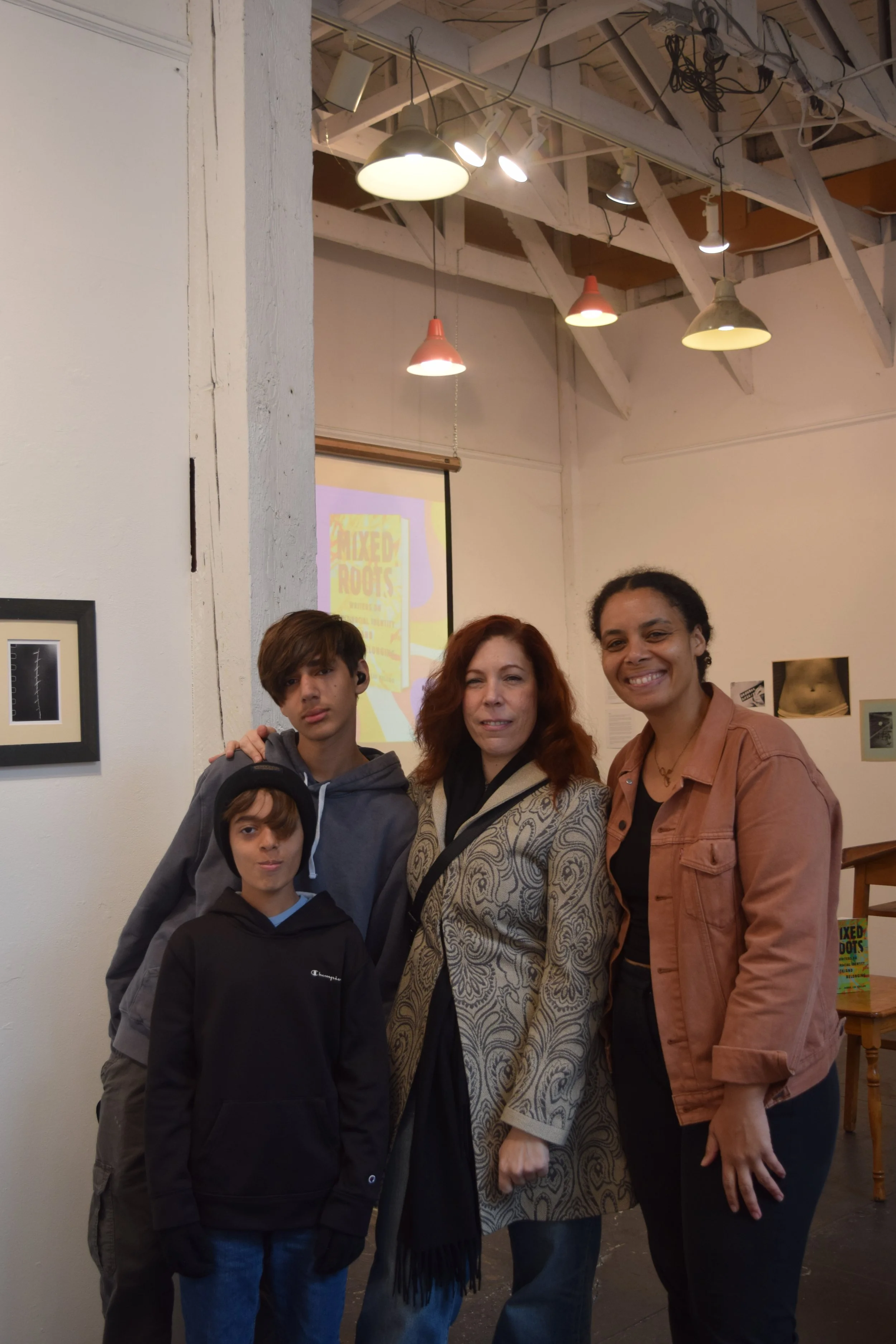
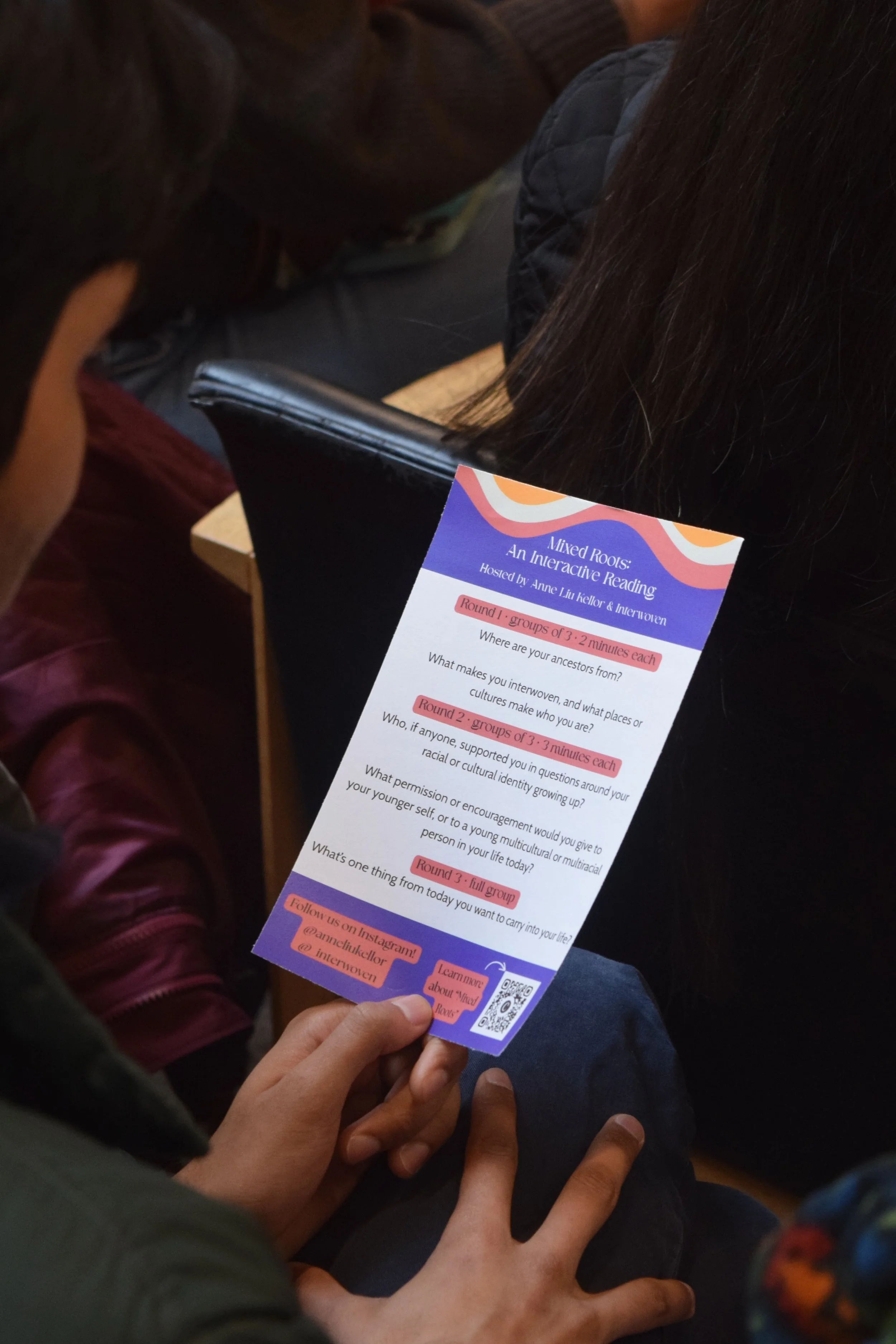
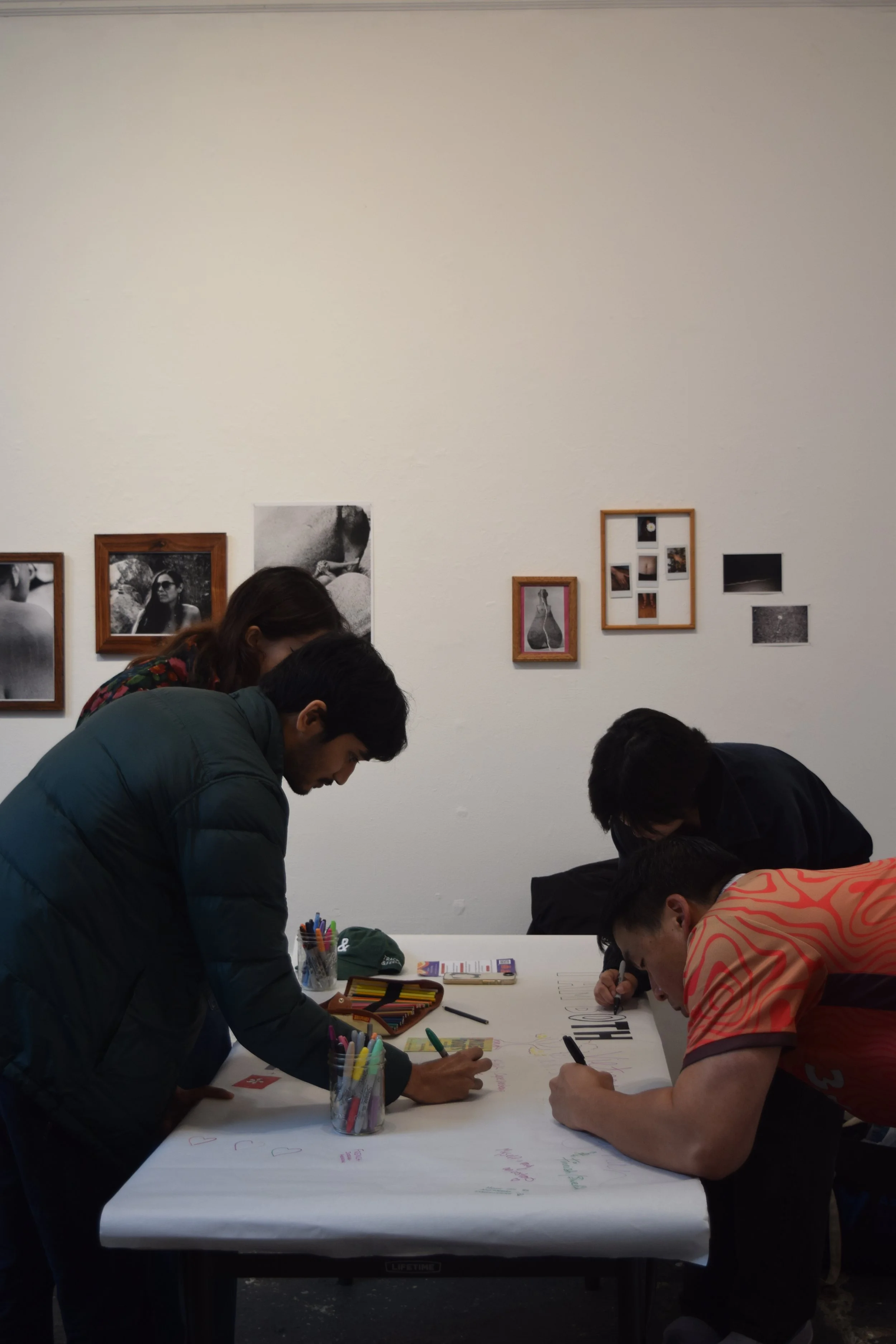
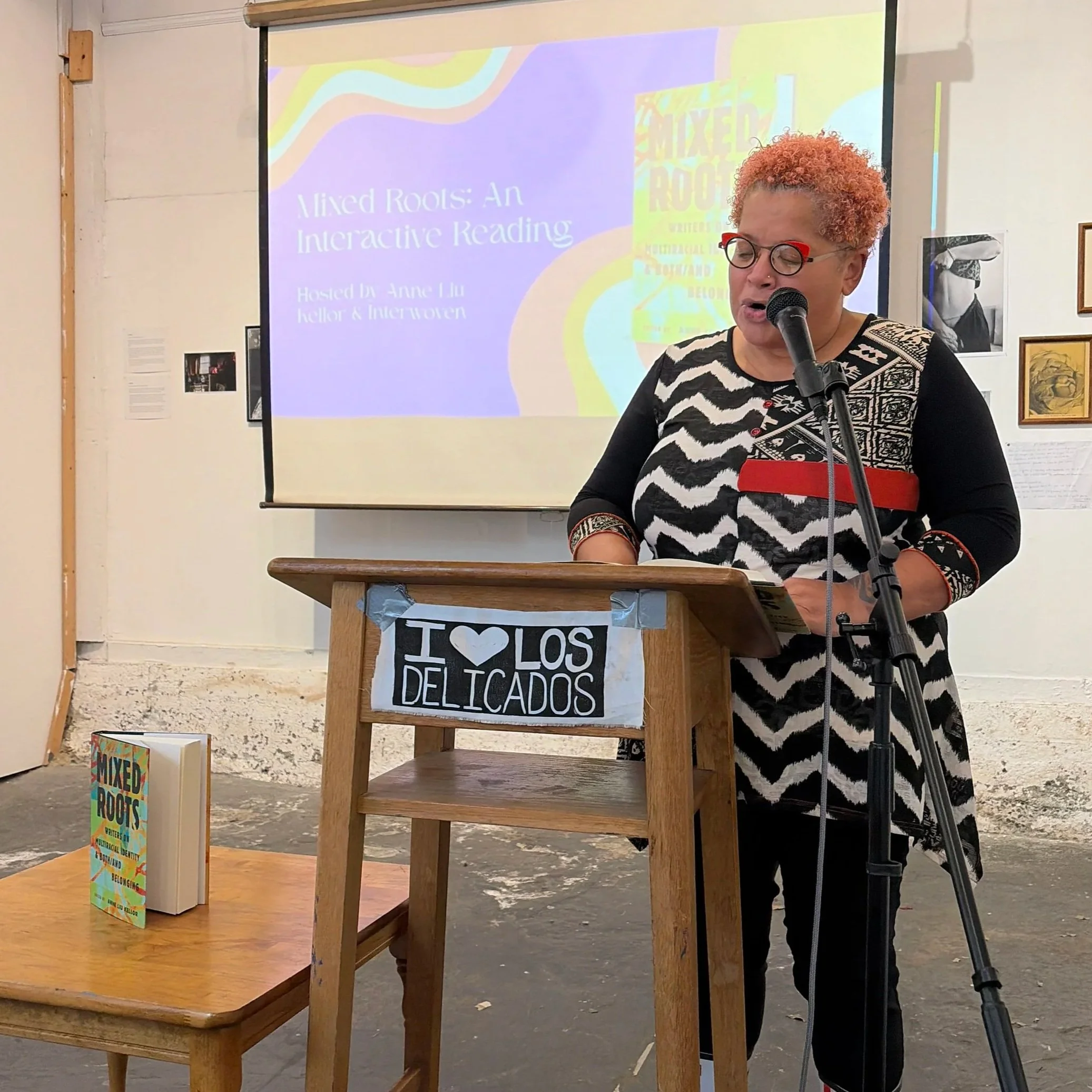
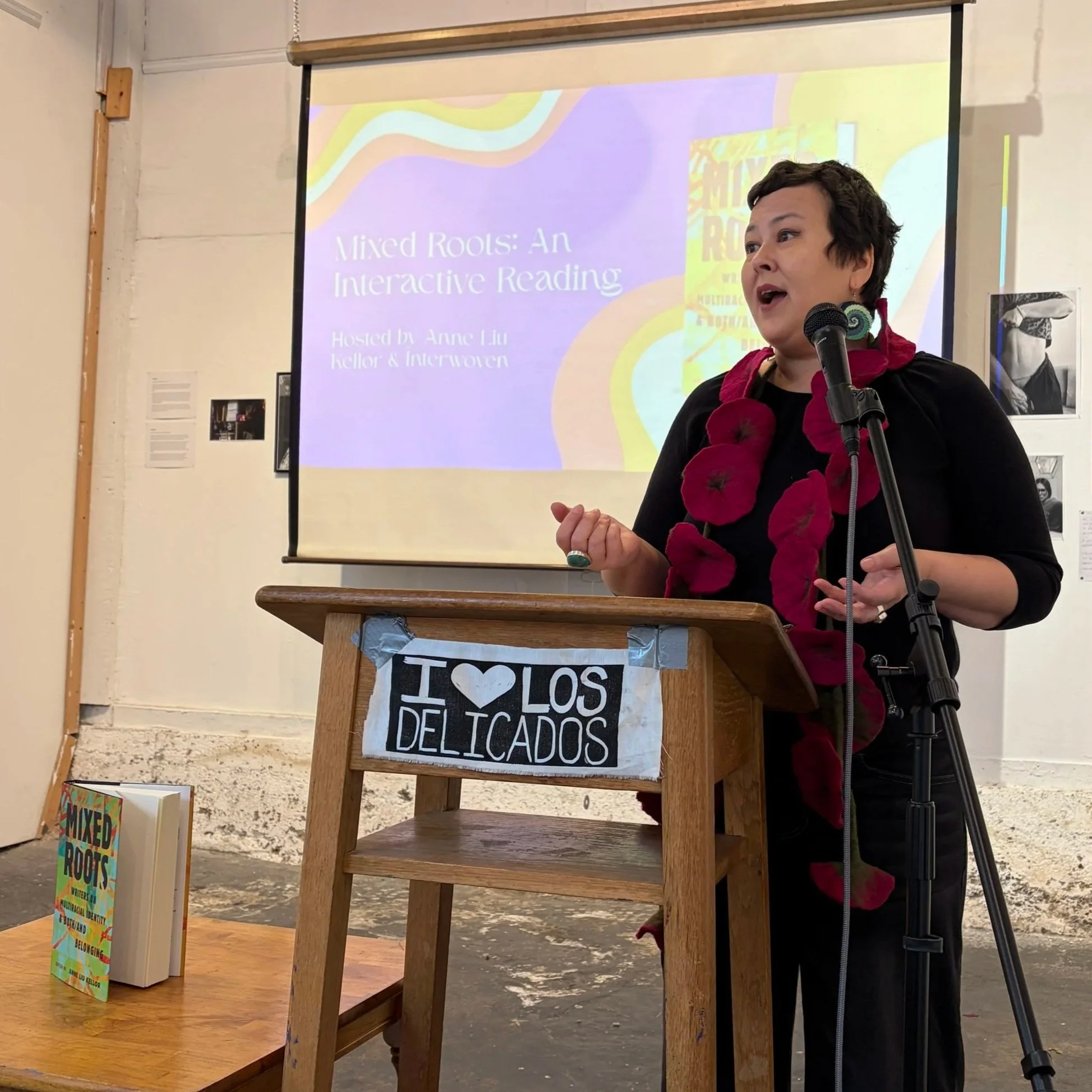
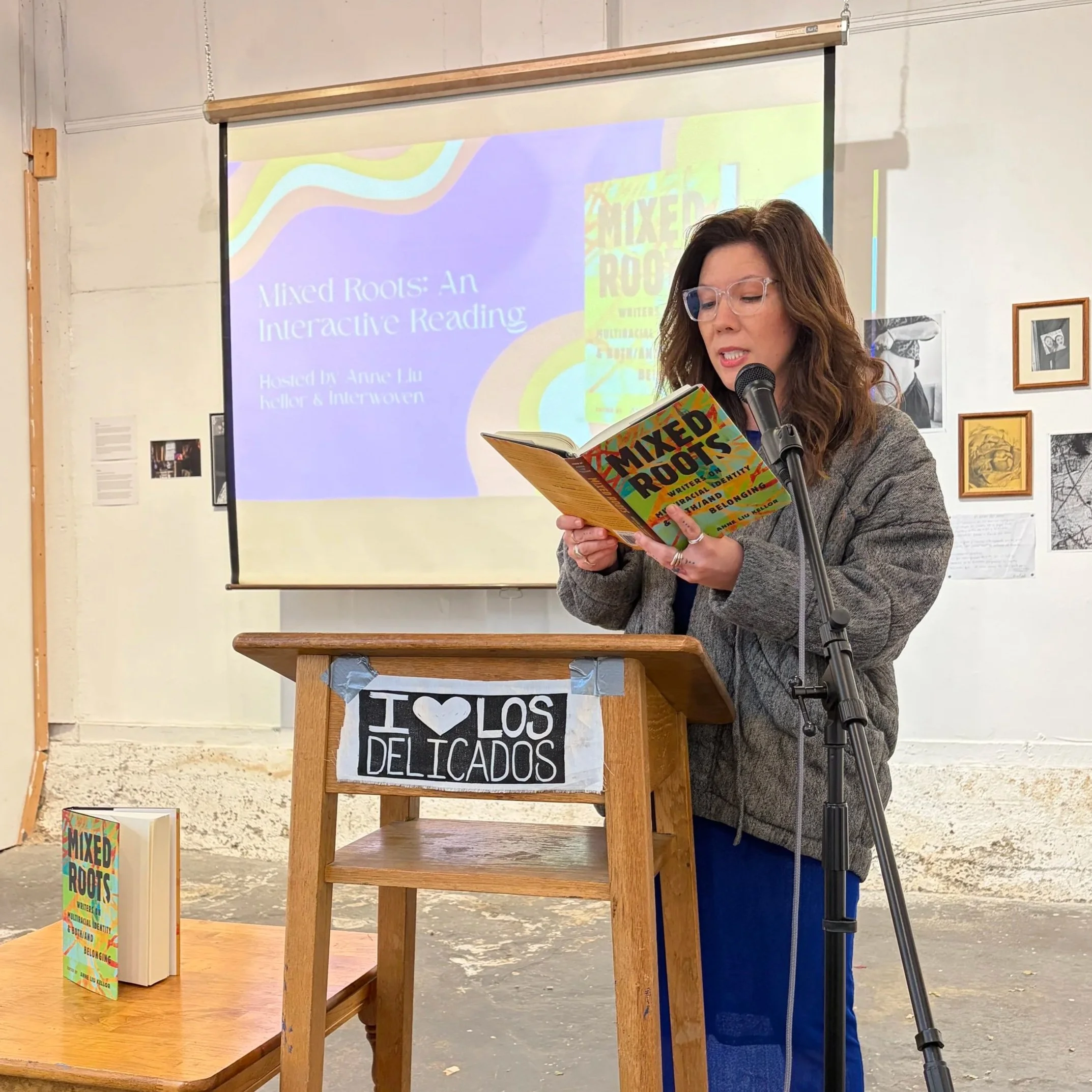
The Mixed Roots book tour made a stop in San Francisco on November 21, 2026, and the Interwoven community was thrilled to co-host an interactive reading and celebration of this work. We were joined by Anne Liu Kellor, the editor of Mixed Roots, along with four of the book’s contributors: Leslie V. Nguyen-Okwu, Savala Nolan, Faith Adiele, and Joemy Ito-Gates.
These writers are full of wisdom, creativity, optimism, and boldness for what it means to live an interwoven life. Below, you’ll find a healing dose of truths that we’re taking away from their work for our mixed and multicultural selves.
#1: You deserve curiosity, not categorization
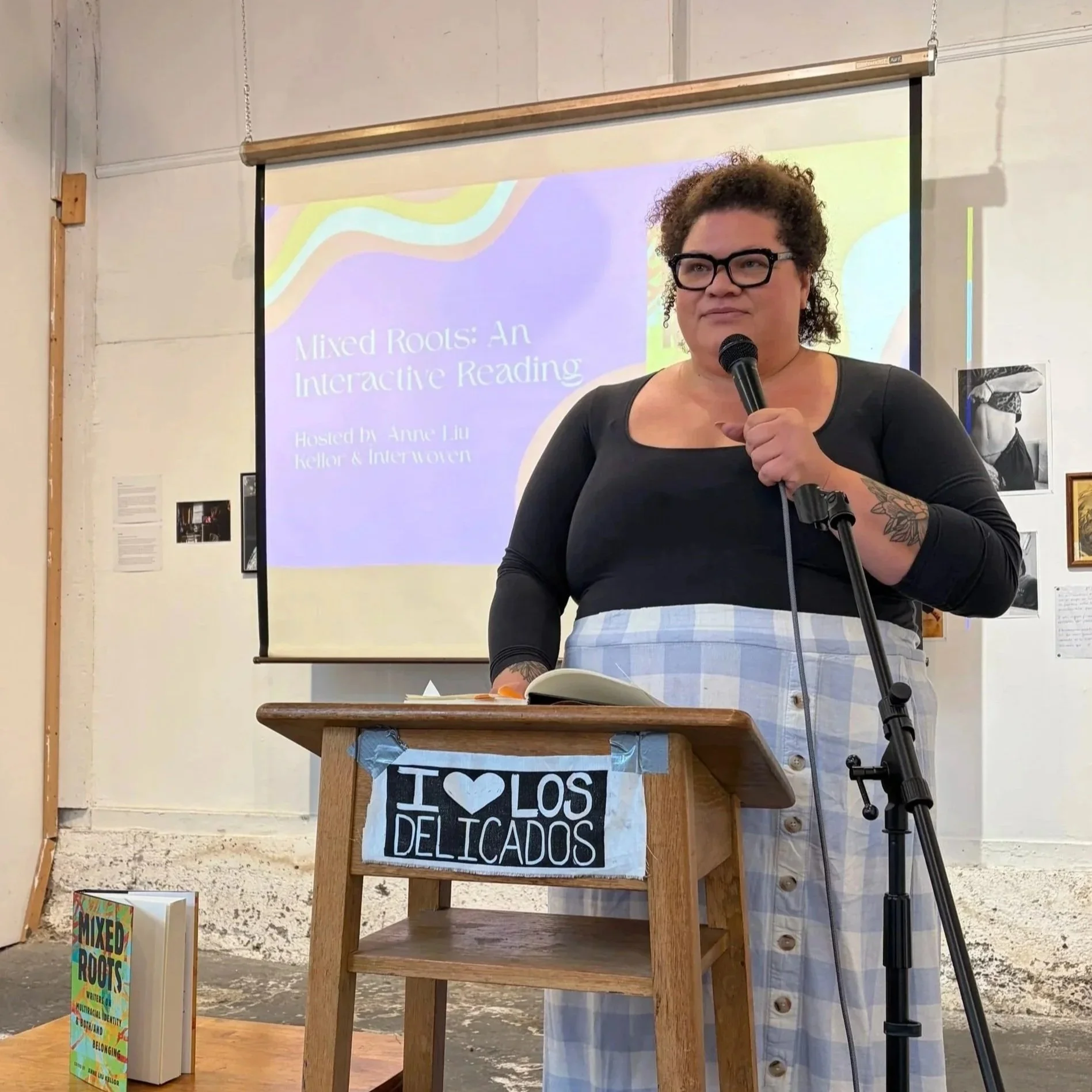
“What are you?” is the quintessential question mixed and multicultural people get asked, and appropriately dread. Part of that is the frequency of how often strangers ask us this, but most of what makes this question so loaded is the intent of the asker.
As Savala Nolan writes in her essay “Please Don’t Ask Me What I Am:”
”It’s not the curiosity that bothers me. It’s the asking. Because the asking usually isn’t about curiosity. The inquiring person is not trying to know me better in some holistic, thoughtful sense. They aren’t seeking true intimacy or seeking to truly see me… even if this isn’t conscious, the real point of asking what are you is to figure out where to put me in the racial hierarchy and therefore how to relate to me.”
There’s so much beauty and depth that can come from discussing race and mixed identity. Those meaningful conversations unlock when we ask about someone’s interwoven background with a curiosity and hunger for nuance that we all deserve to receive and share with one another–not seeking a quick categorization so we can file and sort where someone lands in society. Yes, it takes more time, but wouldn’t the world be a more beautiful place if we all made the effort to really see and know one another?
#2: You have nothing to prove
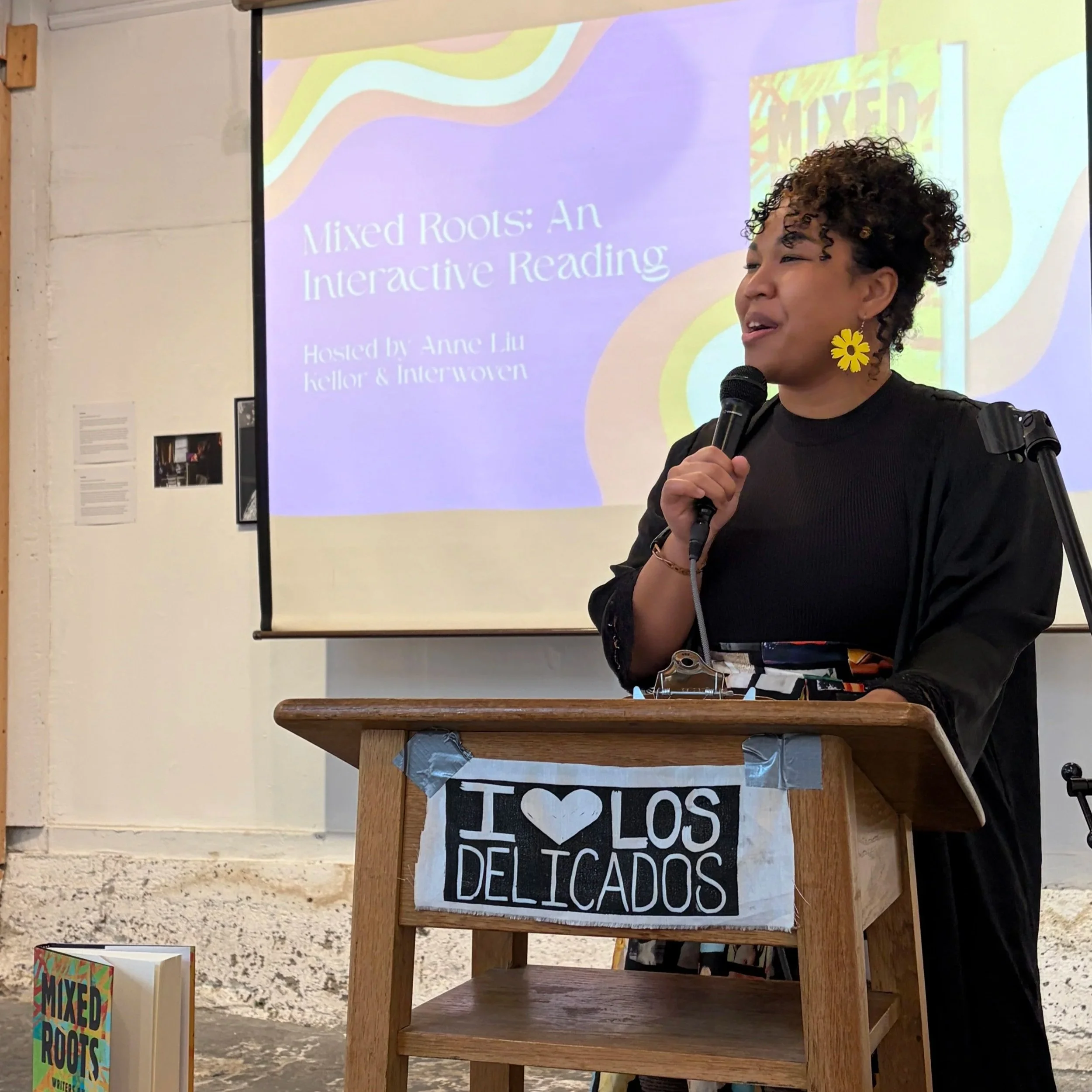
Enoughness and evidence for who we are as interwoven people is a constant battle. How do we explain ourselves, demonstrate our heritage, and prove that we belong when our experiences and looks don’t match what people expect or feel familiar with?
As a Vietnamese-Nigerian woman navigating hair salons and doctor’s offices, Leslie knows a thing or two about chameleoning herself to blend in, be taken more seriously, receive better medical treatment, or simply survive. When she was thirty, Leslie received a cancer diagnosis that put her through chemotherapy, consequentially losing her crown of hair that had previously been a tool for her to straighten, curl, or twist differently depending on who she was around.
Embracing baldness was an intentional choice for Leslie. After a lifetime of bending and blending to the world around her, Leslie is a living example of what it means to boldly be your full self with nothing to prove to anyone.
“Without hair, without makeup, without any of the shields I’d built to survive, I shed old expectations. I have nothing to prove. I am enough.”
– Leslie V. Nguyen-Okwu, “Goddess Braids”
#3: You are new math
A palatable way to explain one’s mixed identity is in fractions: being half x and half y, a quarter here and there, or “only” some percentage of your heritages. The reality is: identity can’t be fully comprehended in numbers or slices of a pie like this.
Mixed people’s existence across identities breaks down expectations, norms, and systems of how people fit in or “count.” Instead of shapeshifting ourselves to fit into existing boxes, Faith Adiele sees mixed identity not as being fragmented, or a thing that has to be explained everywhere you go. Censuses, demographic surveys, and people in your life may compute who you are in one way, but that doesn’t mean you have to limit yourself to those ways of operating.
“..you are the opportunity for an entire language to change syntax, for entire countries to rewrite census forms and history. You + Are = Enough. You are new math.”
— Faith Adiele, “Dear Biracial/Multiracial/Mixed Black Girl”
#4: You can be Both/And
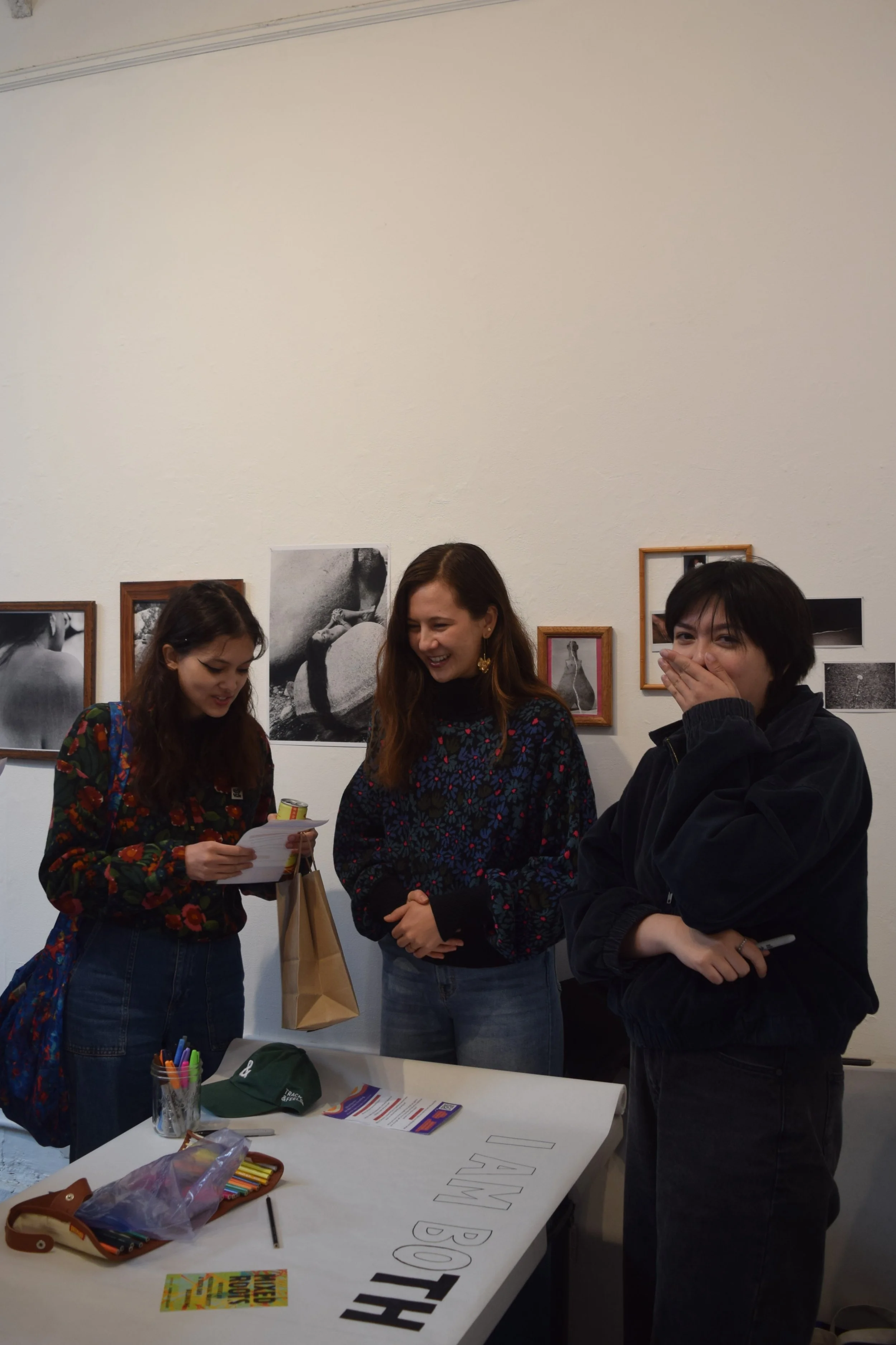
Fill in the blanks: I am both ____ and ______.
It’s a myth that mixed and multicultural people have to choose a side or pick a single version of themselves. Multiple truths, layers, and cultures exist within a person’s identity at once, and Anne Liu Kellor invites the notion of “Both/and” to welcome in the abundance of all the nuance of who we are.
“Both/and rejects the false idea that if we claim we are “mixed,” we cannot also claim we are proudly Indigenous, or Latina, or ____ (fill in the blank). Both/and embraces the way we choose to lead from one part of our identity, and at ther times from another. Both/And does not force us to choose only one group or to pick a side… Both/and says: we are multilayered, not easily contained, by one story..”
– Anne Liu Kellor, “Introduction: Who Are We?”
#5: You can be a bridge for a brighter future
When it comes to building the future and society we want to see, together in solidarity with our children, allies, partners, and people of many backgrounds is the way forward. Mixed people exist at the intersection of many cultures, and when it comes to parenting multiracial kids, there are generations of impact we can have when we work to heal themselves, immerse in culturally-rooted community, and collaborate with others for a better world:
“Raising our children within the work of trying to make the world a better place must be done in solidarity, and that is a gift we give to ourselves and one another when we commit to showing up over and over again as a our fullest, most unapologetic Multiracial selves.”
– Joemy Ito-Gates, “Raising Responsibly: Parenting as a Multiracial Person with LIght Skin and/or White Passing Privilege”
Beyond the pages
At the end of our event, we asked attendees in the room what lessons and reflections they were taking with them beyond the gathering. It’s nice to read a book and hear from the authors from a stage, but even better when the readings mean something and jump into life with us outside the pages.
A dose of some of the reflections shared in the room:
Admiration for the art that can emerge from the mixed experience
Affirming that no one is owed an explanation for who they are
Doing the work to be the bridge between cultures and people
Practicing radical self acceptance and embracing all of me
Trusting that even if I don’t feel embraced now, I will one day
Learning to trust your intuition, and leaning into possibilities by asking “what if?”
Mixed Roots feels like a love letter, guidebook, and dear friend sitting with you through all the ups and downs of life across racial and cultural identities. We can’t get enough of it, and thank all of the people who played a role in this book for bringing it into the world and those who dove in with us in-person this November.